

WeVote

Bill

Bill

S 5212

No Payoffs for Pardons Act

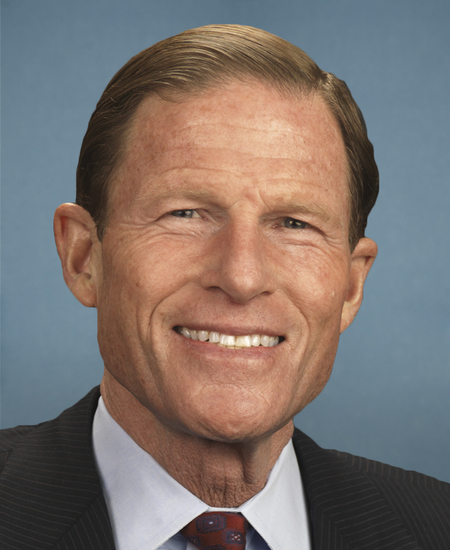
119th Congress Introduced by Richard Blumenthal and 5 co-sponsors

The bill standardizes clemency criteria, increases transparency, and strengthens safeguards to make federal pardons, reprieves, and commutations more consistent and accountable.

Introduced in Senate
0
WeVote Research Nonpartisan
Bill Summary · S 5212

Summary of Bill: S. 5212 (119th Congress) – A bill to reform executive clemency

Purpose and intent

  • The bill provides reforms to the process and criteria governing presidential clemency powers under title 18 of the United States Code.
  • Its overarching aim is to modernize, standardize, and potentially expand safeguards, transparency, and accountability in executive clemency decisions, ensuring more consistent application of mercy or relief from punishment.

Key provisions and changes (highlights)

  • Standardized criteria: Establishes or clarifies criteria the executive branch must consider when evaluating clemency requests, aiming to reduce inconsistency across cases.
  • Increased transparency: Introduces reporting or disclosure requirements related to clemency decisions, including the reasoning behind grant or denial of petitions.
  • Fair process safeguards: Enhances procedural protections for petitioners, potentially including more accessible avenues for review, timelines, or opportunities to present new information.
  • Administrative reforms: Creates or strengthens mechanisms within the clemency process to improve efficiency, coordination among relevant agencies, and consistency with statutory standards.
  • Oversight and accountability: May require periodic reporting to Congress or creation of internal review processes to monitor clemency decisions and reduce potential misuse or arbitrary action.
  • Scope and applicability: Applies to federal executive clemency decisions (pardons, reprieves, commutations) under 18 U.S.C., with potential guidelines or limits on who can petition and under what circumstances.

Who would be affected

  • Individuals seeking federal clemency relief (pardons, commutations, or reprieves) would be directly impacted by any new criteria, procedures, or reporting requirements.
  • The Executive Office of the President, the Department of Justice (including the Office of the Pardon Attorney), and other federal agencies involved in clemency review would implement and comply with the reforms.
  • Congress and oversight bodies would gain enhanced visibility into clemency processes through mandated disclosures or reports.

Procedural and timeline aspects

  • Status: Introduced in the Senate and referred to the Committee on the Judiciary (as of the latest action: 2026-08-03).
  • Action history indicates standard initial steps: introduction, read twice, and referral to committee for consideration and potential markup.
  • No specific effective date is provided in the summary; typically, if enacted, a bill would become law upon passage by both houses and signature by the President (or override of a veto), with any implementing provisions taking effect on a defined date or upon regulatory development.

Additional notes

  • Co-sponsors include prominent senators, signaling bipartisan interest in clemency reform (Richard Blumenthal, Mazie Hirono, Catherine Cortez Masto, Adam Schiff, Peter Welch, and Senate Majority Leader Chuck Schumer).
  • As a policy reform bill, details such as exact criteria, reporting formats, review timelines, and implementation responsibilities would be clarified in the full text and subsequent committee amendments.

If you’d like, I can pull the bill’s full text to extract specific sections, such as the proposed criteria for clemency, reporting requirements, or administrative procedures, and provide a section-by-section breakdown.

Compiled from official sources — confirm details with the bill’s official record.

Sign in to ask a question.