

WeVote

Bill

Bill

S 5214

Protect and Serve Act of 2026

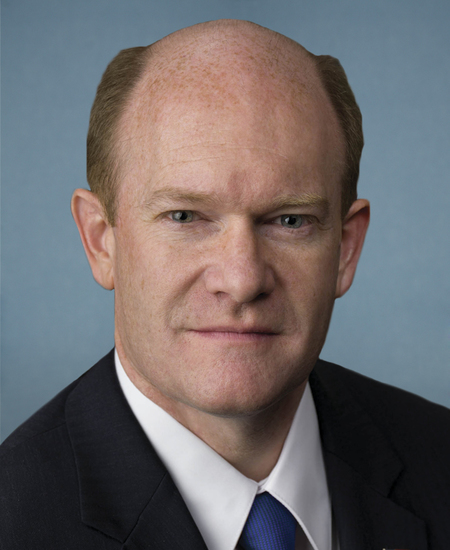
119th Congress Introduced by Chris Coons and 3 co-sponsors

The bill expands and stiffens federal penalties for crimes targeting law enforcement officers, broadening offenses and enhancing punishments to deter attacks.

Introduced in Senate
0
WeVote Research Nonpartisan
Bill Summary · S 5214

Summary of S. 5214 (119th Congress) — "A bill to amend title 18, United States Code, to punish criminal offenses targeting law enforcement officers, and for other purposes"

Purpose and intent

  • The bill seeks to enhance federal criminal penalties for offenses that target law enforcement officers. Its central aim is to deter and punish crimes against law enforcement personnel by expanding or refining federal statutes under title 18 of the United States Code.

Key provisions and changes (highlights)

  • Expansion of federal offenses: The measure modifies and/or adds criminal offenses that specifically cover crimes directed at law enforcement officers. This typically includes acts such as assaults, attempted assaults, or killings of officers, with an emphasis on increasing penalties or clarifying applicability to federal charges.
  • Targeted offenses and remedies: The bill is expected to specify protected categories of law enforcement personnel (e.g., police, sheriff, federal agents) and articulate the conduct that constitutes offenses against them. It may address aspects such as use of force, threats, and damaging or interfering with officer safety or duties.
  • Penalty enhancements: Provisions likely include higher statutory penalties (e.g., enhanced fines, longer prison terms) for offenses against officers, possibly including mandatory minimums or aggravated penalties in cases involving certain aggravating factors (e.g., on-duty status, use of weapons, interstate transport of weapons, or large-scale organized activity).
  • Federal jurisdiction and scope: The bill clarifies or expands when federal charges apply, potentially in parallel with state offenses, to ensure robust federal intervention in crimes against officers, especially those with cross-border or interstate elements or those that involve federal law enforcement personnel.

Who would be affected

  • Law enforcement officers: Protected by the new or enhanced offenses; federal penalties would apply to crimes against these individuals.
  • Offenders: Individuals engaged in crimes against law enforcement officers could face strengthened federal charges and longer sentences.
  • Agencies and jurisdictions: May impact federal and state prosecutors, law enforcement policy, and interagency coordination, especially in cases with cross-jurisdictional elements or escalation of violence against officers.

Procedural and timeline aspects

  • Introduction and referral: The bill was introduced in the Senate and referred to the Committee on the Judiciary.
  • Status as of action history:
    • Introduced in Senate and read twice.
    • Referred to the Judiciary Committee for consideration.
  • Sponsors:
    • Primary and co-sponsors include Chris Coons, Mike Crapo, Catherine Cortez Masto, and Thom Tillis, indicating bipartisan support among some members of the Senate.

Potential considerations and impacts

  • Public safety goals: If enacted, the bill would strengthen federal responses to crimes against officers and may serve as a deterrent.
  • Legal standards: The precise definitions of offenses, elements of the crimes, and statutory penalties will determine the scope and consistency of enforcement with existing state laws.
  • Balance and due process: As with any increase in penalties, considerations regarding proportionality, sentencing guidelines, and judicial discretion may be relevant in implementation and interpretation.

If you’d like, I can tailor this summary to focus on specific sections once the bill’s text is available, or compare it to existing statutes addressing crimes against law enforcement officers.

Compiled from official sources — confirm details with the bill’s official record.

Sign in to ask a question.