Summary of Bill: S. 4578 (119th Congress)
Purpose and intent
S. 4578 proposes to amend the Workforce Innovation and Opportunity Act (WIOA) to establish a Career Pathways Grant Program. The overarching goal is to expand and strengthen career pathways—multiyear, coordinated programs that connect education, training, and workforce opportunities to well-paying, in-demand jobs. The bill aims to improve access to high-quality career pathways for workers, including adult learners, dislocated workers, and others who may benefit from occupational training linked to labor market needs.
Key provisions and changes
Creation of the Career Pathways Grant Program
Establishes a federal grant program under WIOA to fund state and local efforts that design, implement, and scale integrated career pathway initiatives. Grants are likely intended to support multiple components such as partnerships, service delivery for education and training, and employer engagement.
Target populations
Focuses on workers seeking to enter or advance in in-demand occupations. This typically includes adults, displaced workers, participants within EI (economic distress) contexts, and those pursuing sector-based or cross-sector pathway programs.
Program components (expected core elements)
While the bill text is not provided here, career pathway grants generally fund:
- Alignment of education/training with labor market needs and credentials
- Coherent progressions from basic skill-building to postsecondary certificates or degrees
- Partnerships among workforce development boards, secondary and postsecondary education institutions, workforce organizations, and employers
- Integrated case management and career counseling
- Supported work-based learning experiences (e.g., internships, apprenticeships)
- Data-sharing arrangements to track outcomes and continuous improvement
Federal-to-state/local funding dynamic
The bill would authorize appropriations and set application, administration, and reporting requirements for grant recipients. It may specify funding duration (e.g., multi-year grants) and allow reauthorization or renewal based on performance.
Performance and accountability
Likely establishes performance metrics tied to participant outcomes such as employment rate, median earnings, credential attainment, and reliability of wage progression. Recipients could be subject to compliance and reporting requirements to ensure results-driven investments.
Coordination with existing WIOA programs
Seeks to complement WIOA core programs (e.g., adult education, dislocated worker services, TANF-related workforce activities) by providing targeted funding to build holistic career pathways and reduce barriers to advancement.
Who would be affected
- Job seekers and workers seeking training and placement in in-demand fields through integrated pathways.
- Educational institutions and training providers partnering with workforce and economic development entities to deliver aligned curriculum and credentials.
- State and local workforce development boards and employers engaged in pathway design, work-based learning, and talent pipelines.
- Recipients of grants (states, nonprofit organizations, consortia) responsible for implementing pathway initiatives and reporting outcomes.
Procedural and timeline aspects
Introduction and referral
Introduced and read twice before being referred to the Senate Committee on Health, Education, Labor, and Pensions (HELP) on May 20, 2026.
Committee process
Referred to HELP, where the bill would be considered for markup, amendments, and reporting before any floor action.
Sponsor information
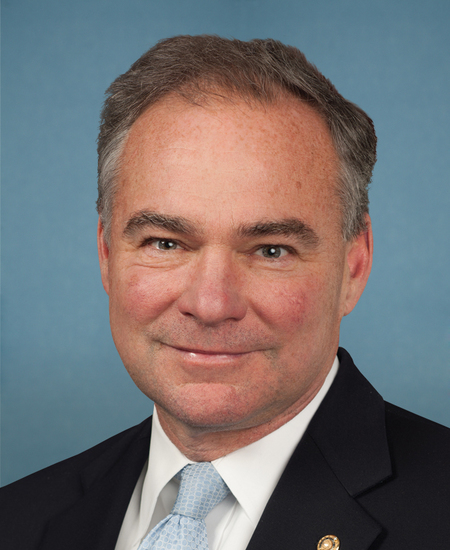
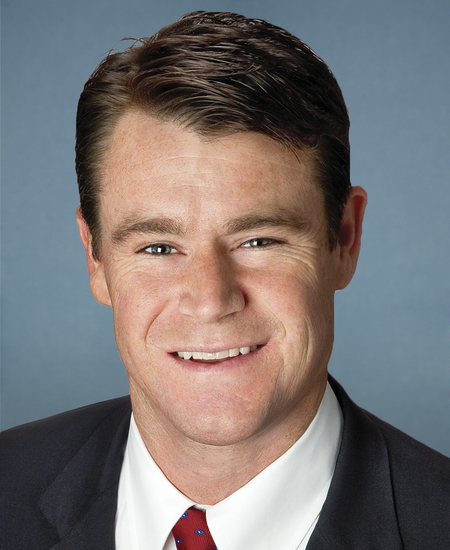
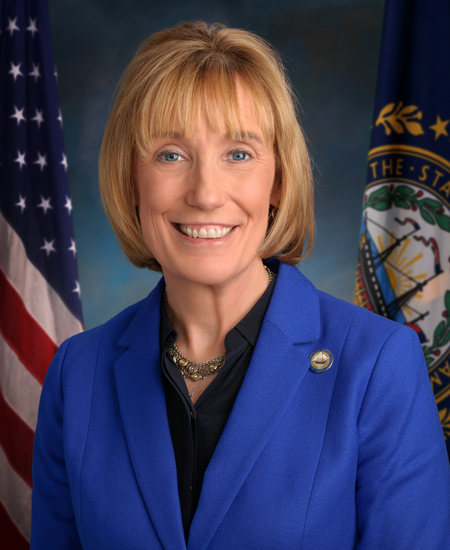
Co-sponsors include Senators Tim Kaine, Todd Young, Susan Collins, and Maggie Hassan, indicating bipartisan interest in workforce development and career pathways.
Potential impact
- If enacted, the Career Pathways Grant Program could provide targeted funding to expand coordinated education-to-employment pathways, potentially increasing credential attainment, employment in in-demand sectors, and earnings stability for participants.
- Success would depend on implementation details, funding levels, grant management, and the effectiveness of partnerships across education providers, workforce boards, and employers.
Note: This summary reflects the bill’s stated purpose to establish a career pathways grant program within the framework of WIOA and outlines common elements typical of such programs. For precise language, grant criteria, eligibility, funding amounts, and reporting requirements, the official bill text and any amendments would be determinative.




Start the Conversation
Be the first to share your thoughts on this petition. Your voice matters!