

WeVote

Bill

Bill

S 3470

A bill to amend the Revised Statutes of the United States to hold certain public employers liable in civil actions for deprivation of rights, and for other purposes.

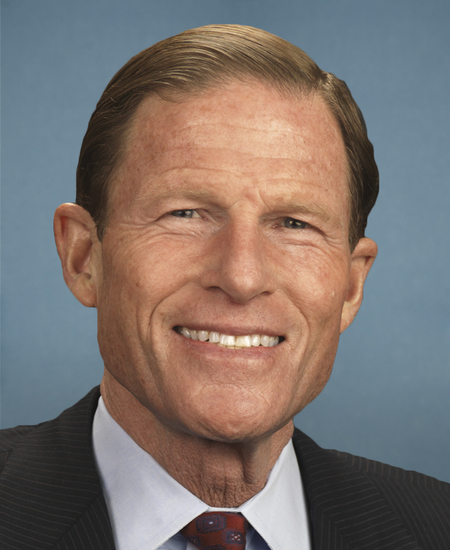
119th Congress Introduced by Richard Blumenthal and 7 co-sponsors

Expands civil liability of certain public employers for rights deprivation, boosting accountability and potential damages for public-rights violations.

Introduced in Senate
4
WeVote Research Nonpartisan
Bill Summary · S 3470

Summary of Bill S.3470

Overview

  • Bill number: S.3470
  • Title: A bill to amend the Revised Statutes of the United States to hold certain public employers liable in civil actions for deprivation of rights, and for other purposes.
  • Introduced: January 27, 2025 (Senate)
  • Status: Introduced in Senate; referred to Budget and Revenue on introduction; later actions indicate reconsideration steps and Judiciary committee involvement.

Purpose and intent

  • The bill seeks to amend the Revised Statutes of the United States to establish or expand civil liability for certain public employers when there is a deprivation of rights.
  • In plain terms, it would create or broaden the mechanism by which public employers can be sued in civil actions for rights violations, aligning with the broader framework of civil rights remedies.

Key provisions (as indicated by bill description)

  • Scope of liability: The bill targets “certain public employers” and makes them potentially liable in civil actions for deprivation of rights. The exact list of which entities are included (e.g., municipal, state, or other public employers) and the conditions under which liability attaches are not specified in the provided information.
  • Remedies and defenses: No detailed provisions are included in the provided content. Typical amendments of this nature would address damages, injunctive relief, defenses (e.g., qualified immunity, sovereign immunity), and procedural rules, but precise text is not available here.
  • Other purposes: The phrase “and for other purposes” suggests possible ancillary provisions related to administration, penalties, or related civil-rights remedies, but specifics are not given.

Who is affected

  • Public employers would be directly affected, as the bill proposes civil-liability liability for deprivation of rights.
  • Public employees and the general public could be impacted through changes to liability standards, potential damages, and the availability of relief for rights violations.
  • State and local governments (and potentially other public institutions) may face new or expanded exposure to civil claims.

Procedural and timeline details

  • January 27, 2025: Introduced in Senate; referred to Budget and Revenue for initial consideration.
  • March 4, 2025: Actions show amendments and re-referred to Budget and Revenue; printing of version 3470A occurred.
  • December 15, 2025: Listed as “Read twice and referred to the Committee on the Judiciary” and noted as introduced in Senate, indicating a later stage in the legislative process and a potential shift in committee jurisdiction.
  • Sponsors:
    • Primary: Pamela Helming
    • Co-sponsor: Rachel May
  • Related bills: Several prior-session bills are listed as related (S 5249, S 166, S 2598, S 3446) and companion bills in the Assembly (A 6110) appear in multiple entries, indicating ongoing or parallel legislative activity across sessions.

Related bills and companion measures

  • Related Senate bills in prior sessions: S 5249, S 166, S 2598, S 3446.
  • Related Assembly companion: A 6110 (listed as a companion in multiple entries).

Potential impact and considerations

  • This bill would potentially increase the exposure of public employers to civil liability for rights violations, which could influence public-employment policies, training, oversight, and accountability mechanisms.
  • The success and scope of liability would depend on the precise statutory language, including definitions of “deprivation of rights,” the particular public employers covered, immunity defenses, damages cap, and procedural rules for suits.

Next steps for readers

  • Monitor updates from the sponsor offices and committee schedules, especially the Judiciary Committee for further deliberation.
  • Review the full text of the 3470A version and any amendments to understand exact definitions, standards, defenses, and procedural requirements once publicly available.
  • Compare with related bills (S 5249, S 166, S 2598, S 3446 and A 6110 companion) to gauge consistency across chambers and sessions.

Compiled from official sources — confirm details with the bill’s official record.

Sign in to ask a question.