

WeVote

Bill

Bill

S 5193

A bill to amend the Public Health Service Act to expand the capacity to improve health outcomes and increase access to specialized care.

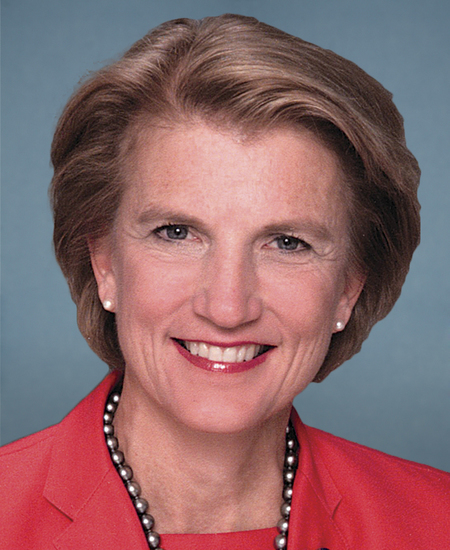
119th Congress Introduced by Shelley Moore Capito and 2 co-sponsors

The bill expands federal authority to boost access to specialized care through grants, workforce development, and improved care delivery, aiming to reduce disparities.

Introduced in Senate
0
WeVote Research Nonpartisan
Bill Summary · S 5193

Overview

S. 5193, introduced in the 119th United States Senate, seeks to amend the Public Health Service Act to expand the capacity to improve health outcomes and increase access to specialized care. The bill has three named co-sponsors: Lisa Murkowski, Shelley Moore Capito, and Brian Schatz. It was read twice and referred to the Senate Committee on Health, Education, Labor, and Pensions on July 30, 2026.

Purpose and Intent

  • Expand federal capacity and authority under the Public Health Service Act to improve population health outcomes.
  • Increase access to specialized medical care and services, particularly for populations with limited access to high-quality health care.
  • Strengthen infrastructure, programs, or funding mechanisms that support specialized care delivery, workforce development, and health equity.
  • Likely aims to address gaps in access, timeliness, and quality of care through targeted investments and programmatic enhancements (specific mechanisms would be detailed in the text of the bill).

Key Provisions (as described by the bill’s title and typical authorities under the Public Health Service Act)

Note: The exact legislative text is not provided here, but anticipated provisions may include:

  • Authorization of new or expanded grant programs to states, tribes, territories, and health care organizations to build capacity for specialized care (e.g., rare diseases, complex chronic conditions, trauma, mental health subspecialties, maternal-fetal medicine, pediatrics, geriatrics, or rural/underserved populations).
  • Funding enhancements for workforce development and training to expand the specialized health care workforce (including loan repayment, fellowships, residencies, and continuing education).
  • Provisions to improve health care delivery infrastructure, including telehealth, telemonitoring, and integrated care models that connect primary care with specialists.
  • Support for data collection, research, and dissemination of best practices to improve outcomes and reduce disparities.
  • Public health preparedness and response components that bolster capacity to respond to health threats while expanding access to specialized care.
  • Requirements or incentives for coordination among federal, state, and local agencies, health care providers, and insurers to streamline referrals and ensure continuity of care.

Who Would be Affected

  • Patients in need of specialized health services who currently face barriers to access.
  • Health care providers, including hospitals, clinics, academic medical centers, and community health organizations, that offer or intend to offer specialized care.
  • States, territories, and tribal health programs receiving grants or funding to expand capacity.
  • Health care workforce, including physicians, nurses, physician assistants, specialists, and allied health professionals, through training and loan repayment provisions.
  • Insurers and health systems involved in delivering coordinated, specialty-based care.

Procedural and Timeline Aspects

  • The bill was introduced in the Senate and immediately referred to the Committee on Health, Education, Labor, and Pensions (HELP).
  • The typical process would involve committee hearings, markups, and potential amendments before moving to the full Senate for consideration. If advanced, it could proceed to the House of Representatives for companion action.
  • Timelines depend on committee action, potential bipartisan negotiations, and scheduling for floor consideration.

Potential Impacts and Considerations

  • Could enhance access to specialized care for underserved populations and reduce disparities in health outcomes.
  • May require new or restructured funding streams, with periodic reporting and oversight to ensure accountability and effectiveness.
  • Could influence state and local health planning by creating incentives or requirements for funding recipients to align with national priorities in specialty care and health equity.
  • Implementation details (eligibility, funding levels, performance metrics, and sunset or renewal provisions) will determine its practical impact.

If you’d like, I can tailor this summary to focus on specific populations (e.g., rural communities, veterans, or low-income groups) or provide a glossary of terms likely to appear in the bill’s full text.

Compiled from official sources — confirm details with the bill’s official record.

Sign in to ask a question.