

WeVote

Bill

Bill

S 4926

A bill to amend the Omnibus Crime Control and Safe Streets Act of 1968 to provide grants for State firearms dealer licensing programs, and for other purposes.

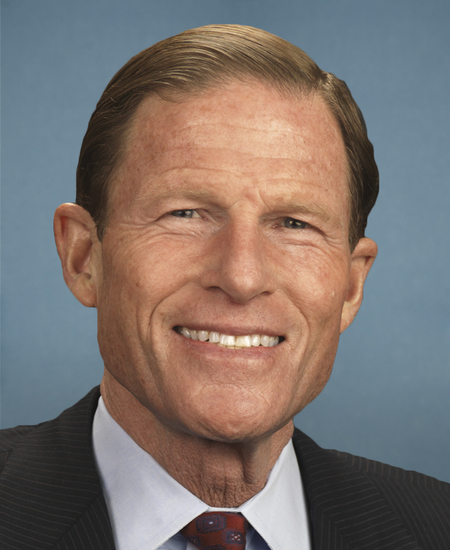
119th Congress Introduced by Richard Blumenthal and 7 co-sponsors

Establish state-level firearms dealer licensing programs funded by federal grants to require licensing, oversight, and compliance for dealers to curb illegal sales.

Introduced in Senate
0
WeVote Research Nonpartisan
Bill Summary · S 4926

Summary of Bill: S. 4926 (119th Congress)

Purpose and intent

  • S. 4926 seeks to amend the Omnibus Crime Control and Safe Streets Act of 1968 to establish and fund state-level firearms dealer licensing programs.
  • The central aim is to strengthen permitting, licensing, and oversight of firearms dealers to promote safer gun commerce and reduce firearms-related violence.

Key provisions and changes

  • Authorization of Grants: The bill would authorize federal grants to states to support the creation, administration, and operation of state firearms dealer licensing programs.
  • State Licensing Frameworks: Grant recipients would be expected to implement licensing regimes for firearms dealers within their borders. This includes establishing criteria for licensing, renewal, compliance checks, and enforcement mechanisms.
  • Oversight and Compliance: Programs funded by the grants would include oversight provisions to ensure dealers meet state standards, and to deter illegal sales, straw purchases, and other prohibited transactions.
  • Use of Funds: Grants could be used for program design, licensing database development, background check integration, enforcement activities, training, and related administrative costs necessary to operate the licensing system.
  • Coordination with Federal Standards: The bill would likely require alignment with applicable federal laws and provide mechanisms for coordination between state programs and federal authorities to share information and enforce standards.
  • Reporting and Accountability: Grantees would be subject to reporting requirements to demonstrate program effectiveness, expenditures, and compliance with grant terms.

Who would be affected

  • State governments: Primarily, agencies responsible for firearms licensing, dealer regulation, and law enforcement would administer and oversee the new licensing programs funded by the grants.
  • Firearms dealers: Dealers operating within participating states would fall under new licensing requirements, including initial licensing, ongoing compliance, and potential renewals.
  • Law enforcement and regulatory agencies: Increased roles in licensing, inspections, and enforcement activities related to licensed dealers.
  • Federal–state coordination: Enhanced information-sharing and joint efforts between federal agencies and state regulators to monitor dealer compliance and flag violations.

Procedural and timeline aspects

  • Introduction and Referral: The bill was introduced in the Senate on June 24, 2026, and referred to the Committee on the Judiciary for consideration.
  • Sponsorship: The bill has a bipartisan group of co-sponsors, including notable senators such as Richard Blumenthal, Dick Durbin, Brian Schatz, Tammy Duckworth, Adam Schiff, Mazie Hirono, Alex Padilla, and Sheldon Whitehouse.
  • Status as of the record: Read twice and referred to the Committee on the Judiciary; no further actions (e.g., passage, amendments) are listed in the provided history.

Potential impact and considerations

  • Strengthened regulatory framework: If enacted, states could establish standardized licensing processes for firearm dealers, potentially increasing regulatory oversight and accountability.
  • Funding dependency: The scope and effectiveness of state programs would depend on the availability and sufficiency of federal grant funding, as well as state adoption of licensing standards.
  • Implementation challenges: States would need to design robust licensing systems, create or expand databases, ensure privacy and data security, and train inspectors and licensing personnel.
  • Public safety implications: Supporters may argue that licensed dealerships with enhanced oversight reduce illegal sales and access to firearms by prohibited individuals; opponents may seek to weigh regulatory costs against regulatory burdens on lawful commerce.

If you’d like, I can add a brief comparison to existing licensing approaches or outline potential funding scales and example grant uses based on similar federal grant programs.

Compiled from official sources — confirm details with the bill’s official record.

Sign in to ask a question.