

WeVote

Bill

Bill

S 4625

Elder Pride Act

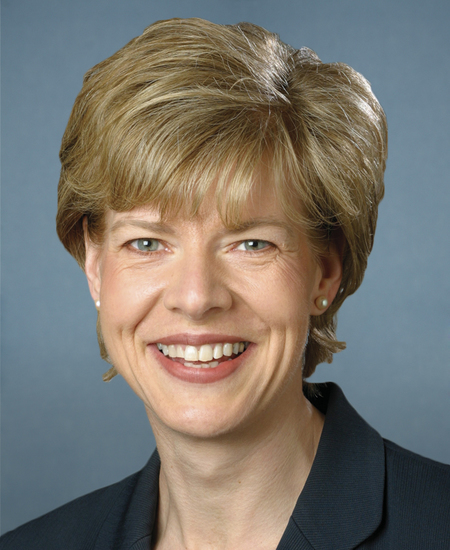
119th Congress Introduced by Tammy Baldwin and 5 co-sponsors

The bill creates an Office of LGBTQI Inclusion within the Older Americans Act and a rural outreach grant program to improve access and services for LGBTQI and rural older adults.

Introduced in Senate
0
WeVote Research Nonpartisan
Bill Summary · S 4625

Overview

S. 4625 is a bill introduced in the 119th Congress that amends the Older Americans Act of 1965 to advance inclusion and outreach efforts. The core changes are the creation of an Office of LGBTQI Inclusion within the Act and the establishment of a rural outreach grant program. The bill is sponsored with multiple high-profile co-sponsors and has been referred to the Senate Committee on Health, Education, Labor, and Pensions.

Purpose and intent

  • Establish an Office of LGBTQI Inclusion within the framework of the Older Americans Act to address the needs and rights of LGBTQI older adults.
  • Create a rural outreach grant program to improve access to services and support for older adults residing in rural communities.
  • Align aging services with inclusive practices and broaden program reach to underserved populations.

Key provisions and changes

  • Office of LGBTQI Inclusion:
    • Creation of a dedicated office under the Older Americans Act to coordinate, monitor, and promote LGBTQI issues.
    • Likely responsibilities include policy development, training, data collection, and ensuring equal access to programs and services for LGBTQI seniors.
  • Rural Outreach Grant Program:
    • Establishment of federal grants targeted at rural areas to enhance outreach, service delivery, and awareness of aging programs.
    • Grants may support community partnerships, information dissemination, transportation assistance, and culturally competent services in rural settings.
  • Implementation and reporting:
    • Provisions typically associated with new offices and grant programs, such as reporting requirements, grant administration guidelines, and potential coordination with existing aging network entities (e.g., Area Agencies on Aging).

Note: The summary reflects the bill text’s stated intent and standard structure for new offices and grant programs under the Older Americans Act. Specific dollar amounts, grant sizes, application timelines, and reporting metrics would be detailed in the full legislative text or subsequent amendments.

Who is affected

  • LGBTQI older adults: targeted improvements in inclusion, nondiscrimination, and access to aging services.
  • Older adults in rural communities: enhanced outreach and service availability through the new grant program.
  • Organizations administering aging services: potential changes in program design, reporting, and eligibility to apply for rural outreach funds.
  • State and local aging networks and service providers: increased focus on inclusive practices and rural service delivery.

Procedural and timeline aspects

  • Introduction and referral:
    • Introduced in the Senate and referred to the Committee on Health, Education, Labor, and Pensions on May 21, 2026.
  • Next steps:
    • The committee would hold hearings, mark up the bill, and, if advanced, send it to the full Senate for consideration.
  • Potential enactment timeline:
    • As a bill in committee, progress depends on committee action, floor votes, and potential negotiations with the House (if a companion measure exists) and the President.

Potential impact and considerations

  • Positive implications:
    • Signals federal commitment to LGBTQI inclusion within aging services.
    • Addresses access gaps in rural areas, potentially improving outreach, information, and service navigation for older residents.
  • Areas to watch:
    • Funding levels and administration of the Office of LGBTQI Inclusion and the rural grants.
    • How the new office interacts with existing LGBTQI and aging initiatives and civil rights protections.
    • Data collection, privacy, and measures of effectiveness for both the office and the rural outreach program.

If you’d like, I can tailor this summary to a particular audience (policy analysts, advocates, or general readers) or extract likely fiscal and administrative implications once the full text is available.

Compiled from official sources — confirm details with the bill’s official record.

Sign in to ask a question.