

WeVote

Bill

Bill

S 4312

Federal Mechanical Insulation Act of 2026

119th Congress Introduced by Steve Daines and 1 co-sponsor

S. 4312 would add mechanical insulation as an eligible energy- or water-efficiency measure under the National Energy Conservation Policy Act.

Introduced in Senate
0
WeVote Research Nonpartisan
Bill Summary · S 4312

Summary: S. 4312 (119th Congress) – National Energy Conservation Policy Act Amendments

Overview

  • Bill: S. 4312
  • Session: 119th Congress
  • Jurisdiction: United States
  • Introduced: April 16, 2026
  • Status: Read twice and referred to the Senate Committee on Energy and Natural Resources (as of the latest action)
  • Sponsors:
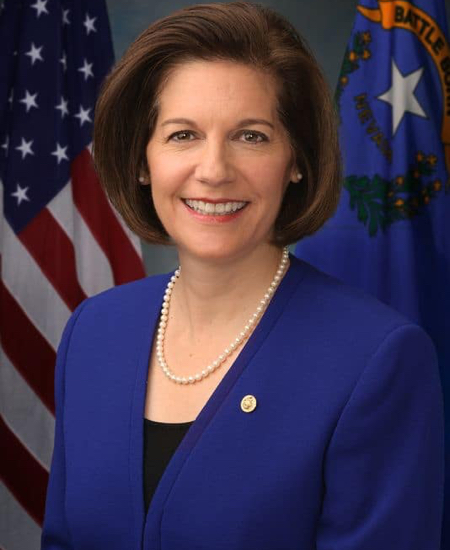
    • Co-sponsors: Catherine Cortez Masto, Steve Daines

Purpose and Intent

S. 4312 aims to amend the National Energy Conservation Policy Act to explicitly authorize and include the installation of mechanical insulation as an eligible energy- or water-efficiency measure. The bill seeks to expand the set of recognized measures that federal energy conservation programs can promote, fund, or require as part of efficiency projects, retrofits, and related initiatives.

Key Provisions (as proposed)

While the full text is not provided here, the bill’s core intent can be summarized as follows:
- Inclusion of Mechanical Insulation: Explicitly add the installation (or improvement) of mechanical insulation to the list of measures considered energy or water efficiency improvements under the National Energy Conservation Policy Act.
- Mechanical insulation typically covers insulation on mechanical systems such as heating, ventilation, air conditioning (HVAC) and other process piping and equipment to reduce heat loss/gain and improve efficiency.
- Authority and Implementation: The amendment would provide statutory authorization for federal energy conservation programs to recognize mechanical insulation installations as eligible measures, potentially affecting:
- Funding allocation criteria
- Project eligibility for energy efficiency programs
- Technical assistance and guidance to implementers
- Related Provisions: The bill may include conforming amendments or clarifications to ensure consistency with existing definitions and programmatic structures within the Act, and to avoid conflicts with current efficiency measures.

Who Would Be Affected

  • Federal Programs and Agencies: Programs administering energy and water efficiency incentives, retrofits, grants, or standards under the National Energy Conservation Policy Act would apply the updated definition to determine eligibility and prioritization.
  • States and Local Governments: Entities that implement federally funded efficiency projects could include mechanical insulation installations as compliant measures, influencing project design and funding requests.
  • Public and Private Sector Project Participants: Contractors, builders, and facility managers implementing energy-efficient upgrades could benefit from a broader menu of eligible measures, potentially impacting project scope and cost-effectiveness calculations.
  • Energy and Water Efficiency Markets: The availability of insulation-related improvements as funded or incentivized measures could influence demand, costs, and market practices.

Procedural and Timeline Aspects

  • Introduction and Referral: Introduced in the Senate and referred to the Committee on Energy and Natural Resources (April 16, 2026).
  • Next Steps: The committee will review, potentially mark up, and report the bill. If reported, it would proceed to the full Senate for consideration, followed by potential House action and promulgation of final legislation.

Potential Impacts and Considerations

  • Energy Savings: By recognizing mechanical insulation as a measurable efficiency improvement, projects may achieve greater energy savings in heating/cooling and process efficiency applications.
  • Water Efficiency: If insulation measures contribute to water system efficiency (e.g., reducing losses in hot water systems), beneficiaries could see improvements in water-use performance.
  • Cost and Payback: Insulation installations may have favorable payback periods, depending on project scope, climate, and existing system conditions.
  • Implementation Barriers: As with any new eligible measure, practical considerations include cost-effectiveness analyses, code compliance, training needs, and availability of qualified installers.

If you’d like, I can tailor this summary to focus on specific stakeholders (federal agencies, state programs, or industry contractors) or compare it to current law to highlight what changes S. 4312 would introduce.

Compiled from official sources — confirm details with the bill’s official record.

Sign in to ask a question.