

WeVote

Bill

Bill

S 4330

Ending the Carried Interest Loophole Act

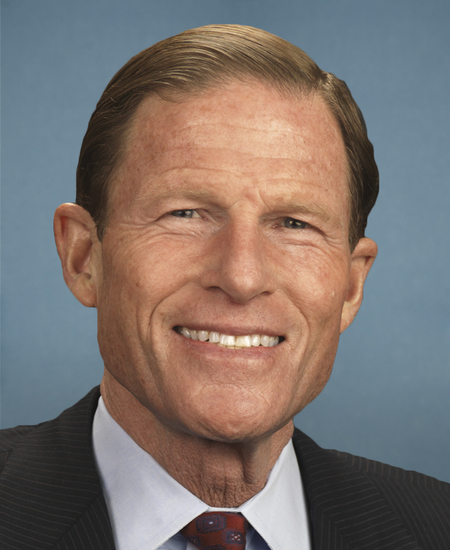
119th Congress Introduced by Richard Blumenthal and 10 co-sponsors

The bill would change how partnership interests granted as compensation for services are taxed, including when income is recognized and how gains are classified.

Introduced in Senate
0
WeVote Research Nonpartisan
Bill Summary · S 4330

Summary of Bill: S. 4330 (118th/119th Congress, United States)

Note: This summary is based on the bill’s title, sponsors, and typical framing of similar “partnership interests” and service compensation provisions. For precise text, consult the official bill.

1) Purpose and Intent

  • The bill amends the Internal Revenue Code of 1986 to revise how partnership interests received in connection with the performance of services are treated for tax purposes.
  • In broad terms, the measure aims to modify the tax treatment of equity interests in partnerships that are granted as compensation for services, potentially affecting characterization, taxation timing, and reporting.

2) Key Provisions and Changes (as commonly associated with service-for-equity reforms)

  • Recharacterization or redefinition of “partnership interests” received in exchange for services:
    • Potential changes to whether such interests are taxed as ordinary income, capital gains, or other categories at grant, vesting, or disposition.
    • Possible adjustments to the holding period requirements for favorable capital gains treatment.
  • Treatment rules for vesting and realization events:
    • Clarification of when income is recognized (e.g., at grant, vesting, or distribution), and at what value.
    • Potential alignment of timing to reduce incentive misalignment between service providers and partnership equity economics.
  • Valuation and reporting:
    • Requirements for valuing partnership interests at grant or vesting.
    • Compliance and information reporting enhancements for taxpayers and the IRS.
  • Interaction with existing partnership taxation:
    • How the proposed changes fit with Subchapter K (partnerships) rules, including allocations, basis adjustments, and at-risk/income limitations.

3) Who Would Be Affected

  • Service providers receiving partnership interests as compensation (e.g., employees, consultants, founders, executives).
  • Partnerships and entities granting equity interests (including startups, professional services firms, and other pass-through entities) that compensate service providers with partnership interests.
  • Taxpayers filing returns involving partnership interests acquired for services, potentially influencing wages, self-employment, and capital gains reporting.

4) Procedural and Timeline Aspects

  • Action History:
    • Introduced in the Senate and read twice.
    • Referred to the Senate Committee on Finance (April 16, 2026).
  • Sponsors:
    • Bipartisan/ideologically broad list of co-sponsors, including Angus King; Elizabeth Warren; Richard Blumenthal; Chris Van Hollen; Ron Wyden; Bernie Sanders; Ed Markey; Brian Schatz; Mazie Hirono; Tina Smith; Sheldon Whitehouse.
  • Next steps (typical for this stage):
    • Committee review, potential markups, and consideration on the Senate floor.
    • If advanced, companion action in the House (if applicable) and conference considerations.

5) Potential Impacts and Considerations

  • Tax policy impact:
    • Could raise or shift tax revenues by altering timing and character of income recognized from service-for-equity arrangements.
    • May affect behavioral decisions around compensation design (e.g., reliance on stock/partnership interests vs. cash compensation).
  • Administrative impacts:
    • Increased valuation and reporting requirements could raise compliance costs for taxpayers and administrative workload for the IRS.
  • Economic impact:
    • Startups and growth-stage firms that use equity compensation may experience changes in incentive structures.
    • Investors and holders of partnership interests may see changes in post-acquisition tax planning and basis calculations.

If you’d like, I can pull the full text and provide a line-by-line annotated summary, including specific section numbers, definitions, and any stated effective dates or transition rules once available.

Compiled from official sources — confirm details with the bill’s official record.

Sign in to ask a question.