

WeVote

Bill

Bill

S 3277

A bill to amend the Higher Education Act of 1965 to provide for a percentage of student loan forgiveness for public service employment, and for other purposes.

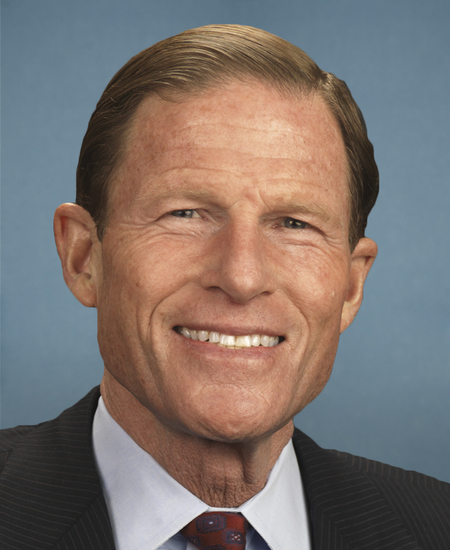
119th Congress Introduced by Richard Blumenthal and 4 co-sponsors

S 3277 expands student loan forgiveness for public service workers by raising the percentage of debt eligible for cancellation based on employment tenure.

Introduced in Senate
0
WeVote Research Nonpartisan
Bill Summary · S 3277

Legislative bill overview

S 3277 amends the Higher Education Act of 1965 to expand loan forgiveness benefits for individuals employed in public service roles. The bill specifically targets those working in government agencies, nonprofits, and other qualifying public service sectors, allowing a percentage of their federal student loan debt to be forgiven based on their employment duration and terms.

Why is this important

Public Service Loan Forgiveness (PSLF) programs aim to incentivize careers in lower-paying public service sectors where talent shortages exist. This amendment could expand access to debt relief, potentially affecting student loan repayment obligations for thousands of public sector workers and influencing career choices in government, education, healthcare, and nonprofit sectors.

Potential points of contention

  • Program costs: Expanding forgiveness increases federal expenditures on loan forgiveness, raising questions about fiscal sustainability and deficit impact
  • Fairness concerns: Critics may argue that blanket forgiveness favors certain professions while other workers in non-qualifying sectors carry debt burdens without equivalent relief
  • Implementation details: The bill's reference to "a percentage" lacks specificity—unclear whether it's 25%, 50%, or another threshold, and how employment duration factors into calculations
  • Borrower eligibility: Debate over which public service roles qualify and whether the program sufficiently targets highest-need populations versus broader benefit distribution

Compiled from official sources — confirm details with the bill’s official record.

Sign in to ask a question.