

WeVote

Bill

Bill

S 4836

SNAP Staffing Flexibility Act of 2026

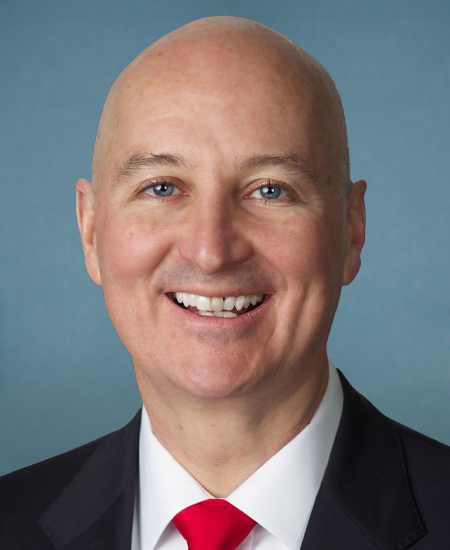
119th Congress Introduced by Pete Ricketts

The bill would allow a blended workforce to administer SNAP, expanding who can perform duties while maintaining program integrity, oversight, and benefits.

Introduced in Senate
0
WeVote Research Nonpartisan
Bill Summary · S 4836

Summary of bill: S. 4836 (119th Congress)

Purpose and intent

  • Aims to amend the Food and Nutrition Act of 2008 to allow for blended workforces to administer and carry out the Supplemental Nutrition Assistance Program (SNAP) under certain conditions.
  • Reflects a goal of expanding the staffing model used to implement SNAP, potentially incorporating a mix of public and private sector workers, contractors, or a broader set of personnel beyond traditional SNAP staff, while maintaining program integrity and accountability.

Key provisions and changes

  • Amends the Food and Nutrition Act of 2008 to authorize or facilitate a blended workforce approach in SNAP administration.
  • Establishes conditions under which blending different workforce types can be used to carry out SNAP functions. While the exact text is not provided here, typical provisions in such amendments may include:
    • Definitions of permissible workforce categories (e.g., federal/state employees, private contractors, community-based organizations, or temporary workers).
    • Standards for supervision, oversight, and performance measurement to ensure program integrity, accuracy of benefits, timeliness, and user accessibility.
    • Requirements for training, credentialing, and fraud, waste, and abuse prevention.
    • Provisions related to data security, privacy, and information sharing among entities participating in the blended workforce.
    • Accountability mechanisms, including audits, reporting, and potential penalties for noncompliance.
  • Likely retention of core SNAP program requirements (benefit calculations, eligibility criteria, and benefits issuance) while expanding who may perform certain duties.

Who would be affected

  • SNAP participants: Beneficiaries could see changes in how services are delivered (e.g., where and by whom services are provided), aiming to improve access, efficiency, or customer service, without altering benefit amounts or eligibility rules directly.
  • SNAP-implementing agencies: Federal (USDA Food and Nutrition Service) and state agencies may adopt blended staffing models, adjust contracting processes, and implement new oversight structures.
  • Workforces and contractors: Private sector, nonprofit, or other non-traditional workers could be engaged to perform SNAP administration tasks, subject to defined conditions and safeguards.
  • Stakeholders involved in program integrity and oversight: Increased focus on ensuring compliance, fraud prevention, and data security within a blended model.

Procedural and timeline aspects

  • Introduction: The bill was introduced in the Senate and assigned to the Committee on Agriculture, Nutrition, and Forestry.
  • Action history (as of latest available):
    • Introduced and referred to the Committee on Agriculture, Nutrition, and Forestry on June 18, 2026.
    • Co-sponsor noted: Pete Ricketts.
  • Next potential steps (not specified in the text provided): Committee markup and reporting, floor consideration, and potential passage by the Senate, followed by House actions if applicable, and conference negotiations if there are differences between chambers.

Practical considerations and potential impact

  • Rationale: Blended workforce models may be pursued to improve efficiency, reduce costs, or expand access to SNAP services, especially in underserved areas or during staffing shortages.
  • Safeguards: Success hinges on robust oversight, training, and data-security measures to maintain program integrity, accurate benefit issuance, and appropriate use of funds.
  • Fiscal impact: The bill could affect federal and state administrative costs through new staffing arrangements, contracting, and oversight requirements; exact fiscal implications would depend on the final statutory language, funding authorizations, and implementation specifics.

If you’d like, I can tailor this summary to emphasize particular stakeholders (e.g., state SNAP agencies, contractors, or advocacy groups) or compare it to current law to highlight what changes would occur in practice.

Compiled from official sources — confirm details with the bill’s official record.

Sign in to ask a question.