

WeVote

Bill

Bill

S 5268

A bill to amend the Fair Labor Standards Act of 1938 to adjust the rate employers pay for overtime hours from one and one-half to two times the regular rate.

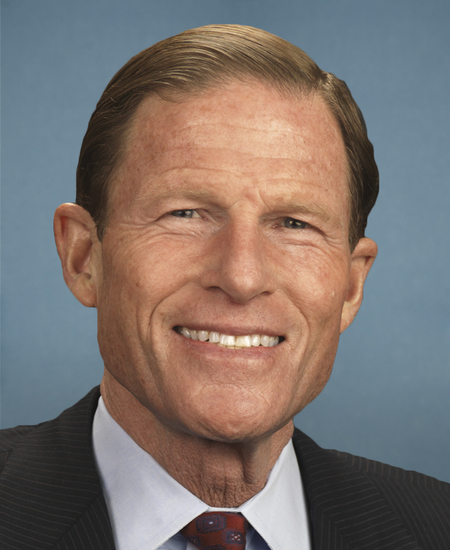
119th Congress Introduced by Richard Blumenthal and 4 co-sponsors

Proposes raising overtime pay from 1.5x to 2x the regular rate for hours over the standard threshold under the FLSA.

Introduced in Senate
0
WeVote Research Nonpartisan
Bill Summary · S 5268

Overview

S 5268 (119th Congress) proposes amending the Fair Labor Standards Act of 1938 to adjust the overtime pay rate. The bill would change the overtime multiplier from the current standard of time-and-a-half (1.5x) the employee’s regular rate of pay to two times (2x) the regular rate for overtime hours.

Purpose and intent

  • Align overtime compensation with a higher rate to reward employees for additional work beyond standard hours.
  • Potentially address concerns about inadequate compensation for extended or irregular work schedules.
  • Support workers’ earnings by increasing the financial value of overtime hours.

Key provisions

  • Amend the Fair Labor Standards Act of 1938 to change the overtime rate:
    • From: 1.5 times the regular rate of pay for hours worked over the standard 40-hour workweek (or applicable threshold under state or federal rules).
    • To: 2 times the regular rate of pay for those overtime hours.
  • The bill would apply to employees covered by the FLSA, including provisions related to minimum wage and overtime exemptions where applicable, subject to any definitional or regulatory updates within the act.
  • Additional regulatory or transitional provisions are not specified in the summary provided; detail on enforcement, effective date, and potential phase-in (if any) would be determined through committee deliberations and final text.

Who would be affected

  • Workers currently earning overtime at 1.5x would see an increase to 2x for overtime hours.
  • Employers subject to the FLSA, including many private-sector employers and certain public-sector employers, depending on exemptions and coverage.
  • HR, payroll, and compliance functions would need to adjust wage calculations, payroll systems, and record-keeping to reflect the new overtime rate.
  • Workers with overtime-heavy schedules, shift workers, and employees in industries with long-hour demands could be disproportionately affected in terms of earnings.

Procedural and timeline aspects

  • Introduced in the Senate and referred to the Committee on Health, Education, Labor, and Pensions (HELP) on August 5, 2026.
  • Co-sponsors include Senators Richard Blumenthal, Ed Markey, Jeff Merkley, Chris Van Hollen, and Ruben Gallego.
  • No further action details (e.g., markup, floor vote, or effective date) are provided in the current summary and would depend on committee action and subsequent legislative steps.

Potential considerations and impacts

  • Economic impact on employers: higher overtime costs could influence staffing, scheduling, and automation decisions.
  • Worker financial impact: higher overtime pay could increase take-home earnings for employees who frequently work overtime.
  • Administrative changes: payroll systems would require updates to reflect the new rate, including wage calculations, overtime eligibility determinations, and wage reporting.
  • Legal considerations: potential implications for state wage laws and any preemption or interaction with existing exemptions under the FLSA.

If you’d like, I can compare this proposal to current overtime policies, or draft a side-by-side impact table for workers, employers, and administrators.

Compiled from official sources — confirm details with the bill’s official record.

Sign in to ask a question.