

WeVote

Bill

Bill

S 4892

SMART Energy Efficiency Standards Act

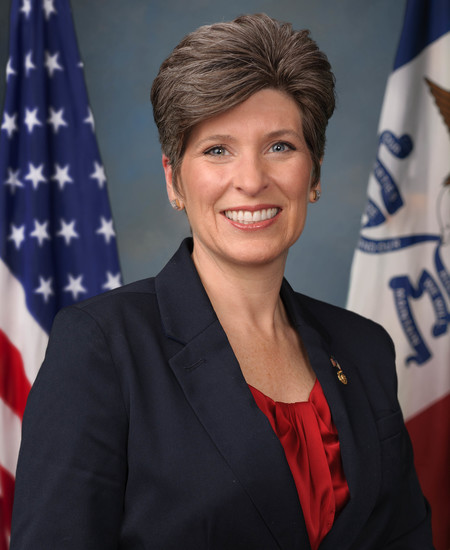
119th Congress Introduced by Joni Ernst

The bill would create region-specific efficiency standards for furnaces, central ACs, and heat pumps to boost regional energy savings, with varied SEER/HSPF/AFUE targets.

Introduced in Senate
0
WeVote Research Nonpartisan
Bill Summary · S 4892

Summary of Bill: S. 4892 (119th Congress)

Purpose and intent

S. 4892 aims to amend the Energy Policy and Conservation Act (EPCA) to establish or modify regional efficiency standards for residential heating and cooling equipment, specifically furnaces, central air conditioners, and heat pumps. The core goal is to advance energy efficiency across different U.S. regions by tailoring standards to regional climate and market conditions, potentially raising minimum efficiency requirements beyond current federal levels.

Key provisions and changes

  • Regional standards framework: The bill would authorize or implement region-specific efficiency standards for furnaces, central air conditioners, and heat pumps, rather than a single nationwide standard. This could involve setting different minimum seasonal energy efficiency ratio (SEER), heating seasonal performance factor (HSPF), and annual fuel utilization efficiency (AFUE) targets by region.

  • Scope of covered products:

    • Furnaces (fired by gas or electricity)
    • Central air conditioners
    • Heat pumps (air-source, potentially including other configurations if specified)
  • Standard setting process:

    • The bill would outline the procedure for establishing, updating, and enforcing regional standards, potentially including public notice-and-comment requirements, fact-finding, and consideration of impacts on consumers and manufacturers.
    • It may specify timelines for standards to take effect and opportunities for phased implementation or extensions, consistent with EPCA processes.
  • Consistency with EPCA:

    • The bill operates within the framework of the Energy Policy and Conservation Act, aligning with existing federal rulemaking, compliance, and enforcement mechanisms administered by the U.S. Department of Energy (DOE).
  • Interagency and stakeholder engagement:

    • It is likely to require coordination with DOE and may involve considerations of manufacturers’ compliance burdens, consumer costs, and energy savings projections.

Who would be affected

  • Manufacturers and importers of furnaces, central air conditioners, and heat pumps, who would need to design products to meet regional standards and adjust supply chains accordingly.
  • Consumers and homeowners in different regions, who could see higher upfront costs for equipment but potential long-term energy savings and lower operating costs.
  • State and local energy programs and building codes, which may intersect with or supplement federal regional standards.
  • Retailers and installers who sell and service heating and cooling equipment.

Procedural and timeline considerations

  • Introduced and referred: The bill was introduced in the Senate and referred to the Committee on Energy and Natural Resources (June 24, 2026). Co-sponsor: Senator Joni Ernst.
  • Next steps: The committee would review, possibly amend, and consider reporting the bill to the Senate floor. If reported, it would proceed through the legislative process, including potential floor debate, passage, and reconciliation with any House measures.

Potential implications

  • Energy efficiency gains: Regional standards could improve energy efficiency performance in different climates, potentially yielding national energy savings and reduced emissions over time.
  • Economic impact: Higher efficiency requirements may raise initial equipment costs but could lower utility bills for consumers and reduce energy demand.
  • Market dynamics: Manufacturers may need to diversify product lines to meet regional targets, affecting research, development, and production planning.

Note: This summary reflects the information available from the bill’s title, action history, and sponsors. Final provisions, exact regional delineations, metric targets (SEER/HSPF/AFUE), and implementation timelines would be specified in the enacted text and any committee reports.

Compiled from official sources — confirm details with the bill’s official record.

Sign in to ask a question.