

WeVote

Bill

Bill

S 4289

Preparing Superfund for Climate Change Act of 2026

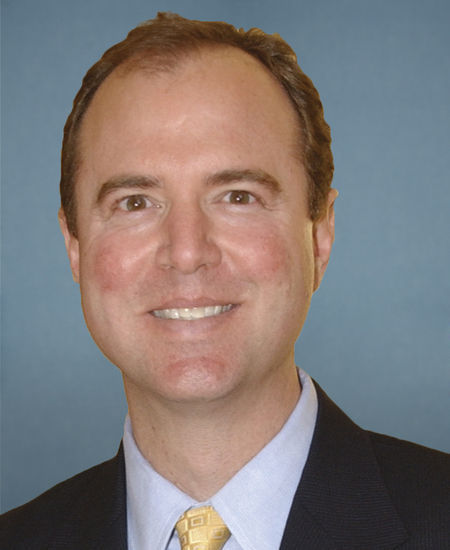
119th Congress Introduced by Adam Schiff

Seeks to rewrite CERCLA/Superfund to require climate risk considerations in cleanup decisions, funding, and prioritization for contaminated sites.

Introduced in Senate
0
WeVote Research Nonpartisan
Bill Summary · S 4289

Summary of Bill: S. 4289 (118th/119th Congress placeholder) – Climate Considerations in Superfund Reauthorization

Note: This summary is based on the bill title and basic action history provided. If you need precise text or added details from the enacted language, please provide the bill’s full text or official summary from the Congressional records.

Basic Information

  • Bill Name: S. 4289
  • Session: 119th Congress (Introduced in Senate)
  • Introduced By / Co-sponsor: Primary sponsor not specified in the given record; Co-sponsor listed as Representative Adam Schiff (note: Schiff is a member of the House; in the Senate, the sponsor may differ—the provided record may reflect a cross-reference or error in sponsor labeling)
  • Action History:
    • 2026-04-14: Read twice and referred to the Committee on Environment and Public Works.
    • 2026-04-14: Introduced in Senate

Purpose and Intent

  • Overall Aim: To amend the Comprehensive Environmental Response, Compensation, and Liability Act of 1980 (CERCLA, commonly known as Superfund) to explicitly incorporate climate change considerations into its framework.
  • Core Objective: Ensure that climate-related factors are integrated into decision-making, funding, assessment, and cleanup priorities for responses to hazardous substance releases and contaminated sites.

Key Provisions (Issues Addressed and Potential Changes)

While the exact text is not provided here, a bill with this title typically seeks to:
- Incorporate Climate Impacts into Cleanup Decision-Making: Require consideration of climate-related risks (e.g., extreme weather, sea-level rise, high temperatures) in selecting cleanup technologies and remedies at Superfund sites.
- Resilience and Adaptation Measures: Promote solutions that enhance long-term resilience of communities and infrastructure affected by contamination in the context of a changing climate.
- Funding and Cost Allocation Adjustments: Create or adjust funding mechanisms to account for climate-driven risk, potentially prioritizing sites with heightened vulnerability or requiring climate risk assessments as part of remedial action plans.
- Data and Modeling Requirements: Mandate the use of climate projection data and stress-testing in evaluating site risk, cleanup feasibility, and long-term stewardship.
- Coordination with Related Programs: Improve coordination with agencies addressing climate risk, disaster resilience, environmental justice, and public health to ensure integrated approaches.
- Reporting and Transparency: Require periodic reporting on how climate considerations are integrated into CERCLA processes and the effectiveness of implemented remedies under changing climate conditions.

Who/What Would Be Affected

  • CERCLA/Superfund Sites: Federal, state, and possibly tribal Superfund sites would be subject to revised assessment, cleanup, and prioritization processes that account for climate risk.
  • EPA and State Environmental Agencies: Agencies responsible for determining remedial actions, funding allocations, and risk assessments would implement new climate-conscious requirements.
  • Affected Communities: Communities near contaminated sites could benefit from more climate-resilient cleanups and improved protection against climate-related events.
  • Industry/Polluters: Entities potentially liable for cleanup costs under CERCLA may face new risk assessments and obligations tied to climate considerations.
  • Environmental Justice and Public Health Stakeholders: Provisions could enhance protection for vulnerable populations by considering climate-related vulnerabilities in exposure and risk.

Procedural and Timeline Considerations

  • Legislative Process: Introduced in the Senate and referred to the Senate Committee on Environment and Public Works. Floor consideration would occur subject to committee action and scheduling.
  • Implementation Timeline (typical for CERCLA amendments): If enacted, many provisions would be implemented via rulemakings, guidance, and amendments to the existing CERCLA framework. Timelines often include:
    • Adoption of new criteria and assessment protocols within 1–3 years post-enactment.
    • Updated remedial action guidance and decision documents aligned with climate risk by subsequent years.
    • Ongoing reporting and periodic reviews to measure effectiveness and adjust policies.

Practical Considerations for Readers

  • The bill seeks to align hazardous-site cleanup with climate resilience, potentially affecting cleanup standards, project prioritization, and funding.
  • It may introduce new required analyses (climate risk assessments, resilience metrics) into the Superfund decision process.
  • Implementation would depend on final text, regulatory rulemaking, and appropriations.

If you can provide the bill’s full text or official summary, I can produce a more precise, line-by-line breakdown of provisions, exact definitions, and specific amendments to CERCLA.

Compiled from official sources — confirm details with the bill’s official record.

Sign in to ask a question.