

WeVote

Bill

Bill

S 4931

A bill to amend the Clean Air Act to preserve consumer vehicle choice, protect the electric grid, and impose limits on regulations under that Act, and for other purposes.

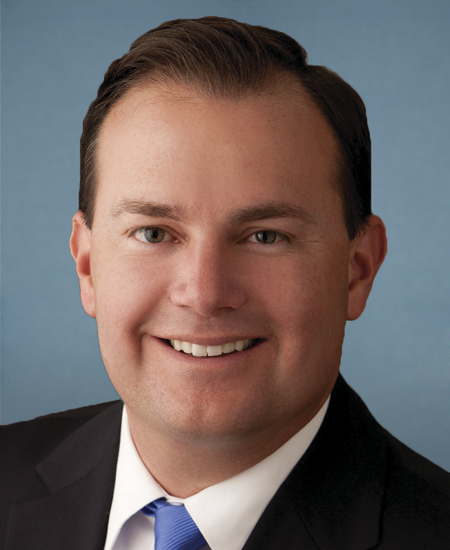
119th Congress Introduced by Mike Lee

The bill limits Clean Air Act regulations to protect consumer vehicle choice and grid reliability, tightening EPA authority and adding impact analyses.

Introduced in Senate
0
WeVote Research Nonpartisan
Bill Summary · S 4931

Summary of Bill: S. 4931 (119th Congress) – "A bill to amend the Clean Air Act to preserve consumer vehicle choice, protect the electric grid, and impose limits on regulations under that Act, and for other purposes"

Purpose and intent

  • The bill amends the Clean Air Act with multiple provisions designed to:
    • Preserve consumer vehicle choice by limiting or altering regulatory approaches that influence vehicle technology or fuel choices.
    • Protect the reliability and operation of the electric grid by imposing constraints related to energy and emissions regulations that could affect electricity generation or reliability.
    • impose limits on regulatory actions under the Clean Air Act, potentially constraining EPA authority and the scope of future rules.

Key provisions and changes (subject to text of the bill)

  • Limits on regulations under the Clean Air Act:
    • The bill adds caps or procedural hurdles to regulatory actions, aiming to slow or constrain EPA rules related to vehicle emissions, fuels, or other air quality measures.
    • May require greater consideration of compliance costs, grid impacts, or consumer choice when designing new standards.
  • Vehicle choice protections:
    • Provisions intended to ensure consumers retain options among internal combustion engines, electric vehicles, and other propulsion technologies, potentially by limiting mandates or by requiring regulator consideration of market availability and consumer demand.
  • Electric grid protections:
    • Provisions intended to address potential electricity demand and grid reliability implications of decarbonization or vehicle electrification policies.
    • Could require analysis or offset mechanisms to prevent adverse effects on electricity reliability, capacity planning, or ratepayer impacts.
  • Administrative and procedural rules:
    • Potentially adds requirements for regulatory impact analyses, sunset provisions, or heightened congressional or interagency oversight for new standards.
    • May modify EPA rulemaking timelines or the threshold for adopting stricter emissions standards.

Who and what is affected

  • Federal agencies:
    • EPA, and potentially other agencies involved in air quality and energy regulation, would be subject to new constraints and analysis requirements.
  • Automotive sector and consumers:
    • Vehicle manufacturers, suppliers, and buyers would be affected by changes that influence vehicle standards, mandates, or incentives, as well as by any protections for consumer choice.
  • Electric grid and energy markets:
    • Utilities, independent system operators, and electricity markets could experience considerations related to reliability and grid impacts of emissions or vehicle electrification policies.
  • States and local governments:
    • May be affected indirectly through changes in federal regulatory authority and the scope of nationwide standards.

Procedural and timeline aspects

  • Introduction and status:
    • Introduced in the Senate and referred to the Committee on Environment and Public Works on June 24, 2026.
    • Co-sponsor: Mike Lee.
  • Legislative process:
    • As a bill in the 119th Congress, it would need to pass both chambers (Senate and House) and be signed by the President (or overcome a veto) to become law.
    • Likely to undergo committee hearings, possible amendments, and floor votes that could shape scope and specifics of provisions.
  • Potential implementation timeline:
    • If enacted, provisions could become effective on dates specified in the statute, with regulatory rulemaking adjusted to comply with new limits and analyses, and with any transition or phase-in periods determined by the act or subsequent rulemaking.

Observations

  • The text provided does not include the bill’s full language, so some specifics (exact thresholds, definitions, and implementation mechanisms) are not available here.
  • The bill appears to balance environmental regulatory aims with considerations of consumer choice and grid reliability, while introducing procedural limits on regulations under the Clean Air Act.

If you’d like, I can tailor this summary to highlight specific sections once the bill’s full text is available, or compare its provisions to existing Clean Air Act authorities and recent related proposals.

Compiled from official sources — confirm details with the bill’s official record.

Sign in to ask a question.