

WeVote

Bill

Bill

S 4973

American Citizenship Act

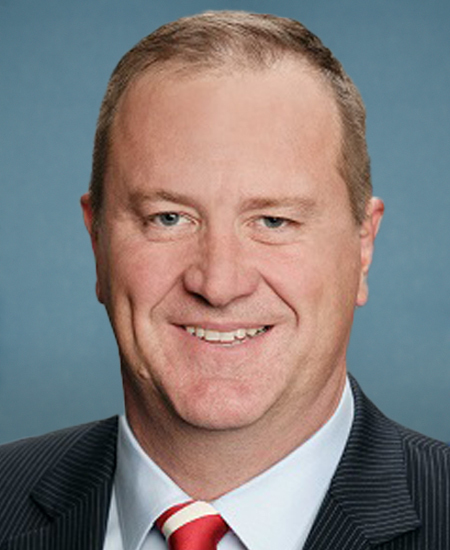
119th Congress Introduced by Eric Schmitt and 1 co-sponsor

The bill seeks to clarify who counts as a U.S. citizen by birth under the Fourteenth Amendment as implemented by INA section 301.

Introduced in Senate
0
WeVote Research Nonpartisan
Bill Summary · S 4973

Overview

S. 4973 (119th Congress) is a proposed amendment to section 301 of the Immigration and Nationality Act (INA) that seeks to clarify the meaning of the Citizenship Clause of the Fourteenth Amendment of the U.S. Constitution. The bill appears to be framed around how birthright citizenship is defined and who is covered, with an emphasis on providing a statutory interpretation of the Citizenship Clause. The sponsor listed is a co-sponsor: Eric S. Schmitt.

  • Introduction and status: Introduced in the Senate and read twice, then referred to the Committee on the Judiciary (July 14, 2026).
  • Chamber: United States Senate
  • Primary intent: Clarify the meaning of the Citizenship Clause in light of the INAs applying to birthright citizenship and related immigration/nationality provisions.

Purpose and intent

  • To provide a statutory clarification of who constitutes a citizen under the Fourteenth Amendment’s Citizenship Clause, as implemented through INA section 301.
  • To resolve ambiguities or disputes about birthright citizenship status, potentially affecting interpretation of jus soli (right of the soil) as it relates to individuals born in the United States.
  • To establish a more explicit framework for determining when an individual is a U.S. citizen by birth or otherwise, within the INA’s regulatory structure.

Key provisions and changes (as described by the bill’s title and purpose)

  • Amendment to INA section 301: The core action is a legislative modification or clarification of the statute that defines citizenship at birth or through other qualifying conditions.
  • Clarification of the Citizenship Clause: The bill outlines how the Fourteenth Amendment’s Citizenship Clause should be interpreted in practical, statutory terms, potentially narrowing or reaffirming existing interpretations of who is considered a U.S. citizen by birth or through other means.
  • Other purposes: The bill may include ancillary provisions related to enforcement, regulatory, or administrative processes consistent with clarifying citizenship status, though specific text is not provided in the summary.

Who is affected

  • Individuals born in the United States or under circumstances tied to birthright citizenship could see a clarified determination of citizenship status.
  • Prospective and current U.S. citizens, as well as applicants for citizenship or their families, may encounter changes in eligibility interpretation or documentation requirements.
  • Immigration and naturalization systems, including agencies implementing INA section 301, would align procedures with the clarified interpretation.

Procedural and timeline aspects

  • Introduction: July 14, 2026, in the Senate.
  • Read twice and referred to the Committee on the Judiciary: July 14, 2026.
  • Next steps: Committee consideration, potential markups, and eventual floor action in the Senate. If passed, the bill would need to be reconciled with any House-passed version (if applicable) and then sent to the President for signing or veto.

Potential implications and considerations

  • Legal and constitutional implications: A clarifying amendment could influence how courts interpret the Citizenship Clause and INA 301, potentially affecting cases involving birthright citizenship, parental status, and proof of citizenship.
  • Administrative impact: Agencies responsible for citizenship determination and documentation could adjust forms, guidance, and procedures to reflect the clarified interpretation.
  • Policy debate: Clarifying birthright citizenship often intersects with broader immigration policy debates, including concerns about eligibility criteria, enforcement, and eligibility verification.

Note: This summary is based on the bill’s title, stated purpose, and the limited action history provided. For a complete understanding, the bill’s full text and legislative analyses from the Judiciary Committee would be necessary.

Compiled from official sources — confirm details with the bill’s official record.

Sign in to ask a question.