

WeVote

Bill

Bill

S 4311

Consumer Protection Remedies Act of 2026

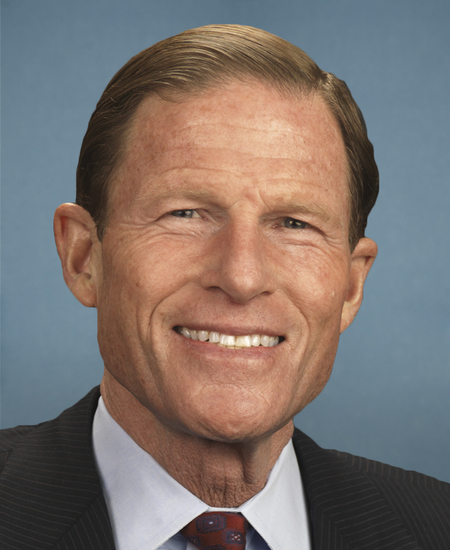
119th Congress Introduced by Richard Blumenthal and 4 co-sponsors

The bill broadens the FTC’s authority under Section 13 to seek stronger equitable relief, including remedies like restitution and disgorgement, for unlawful practices.

Introduced in Senate
0
WeVote Research Nonpartisan
Bill Summary · S 4311

Bill Summary: S. 4311 (119th Congress) – A bill to amend section 13 of the Federal Trade Commission Act to provide for equitable relief, and for other purposes

Note: This summary reflects the information provided (title, sponsors, and action history) and outlines likely scope and effects based on the bill’s stated title and typical FTC authority. For full statutory text and precise drafting, the official bill language should be consulted.

1. Purpose and intent

  • The primary aim of S. 4311 is to amend Section 13 of the Federal Trade Commission Act to authorize or expand the FTC’s ability to provide equitable relief in enforcement actions.
  • “Equitable relief” typically includes remedies such as injunctions, cease-and-desist orders, restitution, disgorgement, and other court-ordered actions designed to prevent or remediate unlawful practices, especially in consumer protection and antitrust contexts.
  • The bill appears to broaden or clarify the FTC’s authority to pursue and obtain such relief in appropriate cases, ensuring remedies are commensurate with harm caused by violations of the FTC Act.

2. Key provisions and changes (anticipated based on the title)

  • Amendment to Section 13 (FTC Act): The bill would modify the statutory framework governing the FTC’s authority to seek equitable relief. This could involve:
    • Expanding the types of equitable relief available to the Commission.
    • Clarifying standards or procedures for obtaining equitable remedies in federal court.
    • Streamlining enforcement processes or aligning remedies with the magnitude of the violation or consumer harm.
  • Potential enhancements to remedies:
    • Expanded authority to order restitution to consumers, disgorgement of ill-gotten gains, or civil penalties where appropriate.
    • Provisions to improve ongoing compliance mechanisms (e.g., monitoring, reporting requirements) as part of the equitable relief.
  • Other purposes: The “and for other purposes” language suggests incidental or supplementary provisions that may accompany the amendment, possibly relating to procedural rules, alignment with other agencies, or regulatory responsibilities.

3. Who or what would be affected

  • Consumers and the general public: Enhanced remedies could lead to faster or more substantial relief for individuals harmed by deceptive or unfair practices.
  • Businesses and organizations regulated by the FTC: A broader or clarified ability to obtain equitable relief could affect compliance obligations, risk calculus for enforcement, and potential penalties.
  • Federal judiciary and enforcement processes: Changes to how the FTC seeks remedies may impact court filings, case management, and remedies enforcement procedures.
  • FTC operations: The Commission would have clarified or expanded authority, potentially requiring adjustments to enforcement strategies and resources.

4. Procedural and timeline aspects

  • Introduced in Senate (April 15, 2026).
  • Read twice and referred to the Committee on Commerce, Science, and Transportation (April 15, 2026).
  • The standard legislative process would follow: committee review, potential markups, amendments, and consideration by the full Senate, and parallel processes in the House if applicable. The timeline will depend on committee action, leadership priorities, and floor scheduling.

5. Notable considerations

  • The bill aligns with ongoing debates about strengthening consumer protection and competition enforcement.
  • Observers may look for:
    • Specific limitations or protections for defendants (e.g., due process, standards for evidence in seeking equitable relief).
    • Financial thresholds, cap on penalties, or distinctions between civil penalties and equitable remedies.
    • Coordination with other agencies and existing enforcement tools.

If you would like, I can add a section comparing this bill’s potential impact to current FTC authority under Section 13, or outline a side-by-side with similar prior proposals for context.

Compiled from official sources — confirm details with the bill’s official record.

Sign in to ask a question.