

WeVote

Bill

Bill

S 4670

Enhanced Alerts for Missing Loved Ones with Disabilities Act of 2026

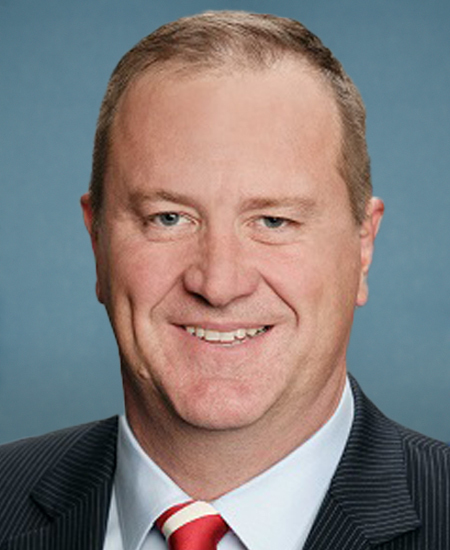
119th Congress Introduced by Eric Schmitt

The bill would expand Ashanti Alerts to include information about individuals with developmental disabilities, Alzheimer's, or dementia to speed identification and safe recovery.

Introduced in Senate
0
WeVote Research Nonpartisan
Bill Summary · S 4670

Bill Overview

  • Bill: S 4670
  • Session: 119
  • Jurisdiction: United States
  • Unofficial Title: A bill to amend Kristen's Act to provide for the inclusion of information related to developmental disabilities, Alzheimer's disease, and dementia in alerts issued through the Ashanti Alert communications network, and for other purposes.
  • Introduction: Introduced in the Senate and read twice; referred to the Committee on the Judiciary. Co-sponsor: Eric Schmitt.

Purpose and Intent

  • The bill seeks to amend Kristen's Act to expand the Ashanti Alert system.
  • Specifically, it aims to ensure that alerts issued through the Ashanti Alert network can include information related to individuals with developmental disabilities, Alzheimer's disease, and dementia.
  • The overarching intent is to improve rapid identification and safe recovery of missing individuals who have such medical or cognitive conditions.

Key Provisions and Changes

  • Expansion of Ashanti Alert Content:
    • Modify the scope of Ashanti Alerts to incorporate details pertinent to developmental disabilities as well as neurodegenerative conditions (Alzheimer's disease and dementia).
  • Information Types to Be Included:
    • Potentially includes descriptive characteristics (e.g., age range, gender, physical description), last known location, time of disappearance, clothing, possible triggers or risk factors, and any medical or cognitive condition disclosures relevant to safe and efficient locating efforts.
  • Operational Mechanics:
    • The bill would integrate these information categories into the existing alert framework, ensuring timely dissemination to the public, law enforcement, and relevant agencies.
  • Jurisdictional and Interagency Coordination:
    • Aligns with current Ashanti Alert protocols and may require coordination among state and local law enforcement, emergency communications systems, and disability advocacy partners.

Affected Parties and Impact

  • Individuals with Developmental Disabilities, Alzheimer’s, or Dementia:
    • Beneficiaries of potentially faster protection and recovery when missing.
  • Families and Caregivers:
    • Improved information dissemination may reduce search times and increase safety outcomes.
  • Law Enforcement and First Responders:
    • Enhanced data points and standardized alert content to guide search efforts.
  • Public and Community:
    • Greater awareness and participation in disseminating alerts.

Procedural and Timeline Aspects

  • Introduction and Referral:
    • Introduced in the Senate and assigned to the Judiciary Committee on June 3, 2026.
  • Next Steps:
    • The Committee on the Judiciary will consider, amend if needed, and report the bill.
    • If reported favorably, it would proceed to the Senate floor for debate and voting; thereafter, potential advancement to the House or conference as applicable.

Notes

  • The bill currently reflects a targeted amendment to an existing framework (Kristen's Act) within the Ashanti Alert system.
  • Specifics such as exact data fields, privacy protections, consent considerations, and funding mechanisms are not provided in the summary; these would be clarified in the bill text and any committee amendments.

Compiled from official sources — confirm details with the bill’s official record.

Sign in to ask a question.