

WeVote

Bill

Bill

SB 2270

A BILL for an Act to create and enact chapter 43-17.6 of the North Dakota Century Code, relating to the licensure of international physicians.

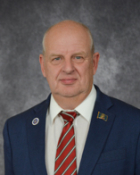
69th Legislative Assembly (2025-26) Introduced by Mike Beltz and 5 co-sponsors

Establishes a provisional-to-full medical license path for internationally trained physicians to practice in North Dakota after meeting strict credentialing, exams, and supervision

Second reading, failed to pass, yeas 3 nays 44
0
WeVote Research Nonpartisan
Bill Summary · SB 2270

Summary — SB 2270 (North Dakota): Licensure of International Physicians (proposed chapter 43‑17.6 NDCC)

Status: Introduced March 11, 2025. Second reading — failed to pass (yeas 3, nays 44). Not enacted.

Purpose / intent

SB 2270 would create a new chapter (43‑17.6) in the North Dakota Century Code to establish a provisional‑to‑full licensure pathway for internationally trained physicians (“international physicians”) to practice medicine in North Dakota. The stated goal is to enable qualified international physicians who meet specified education, examination, and credentialing criteria to obtain provisional licenses to work for in‑state health care providers and, after a period of supervised practice, convert to full licensure.

Key provisions (by section)

  • 43‑17.6‑01 — Definitions

    • Establishes defined terms including “board” (State Board of Medicine), “health care provider” (hospitals, health systems, hospital‑based facilities, freestanding emergency facilities, urgent care clinics), “international medical program,” “international physician,” and “physician.”
    • Sets specific eligibility elements for an “international physician,” including: a medical doctorate (or equivalent) from a program in good standing; good standing with the foreign licensing authority within the prior five years; completion of either a residency/postgraduate training program or seven years of licensed practice as a physician after the medical degree; ECFMG (Educational Commission for Foreign Medical Graduates) certification (or successor); passing all three USMLE steps; and English proficiency.
  • 43‑17.6‑02 — Provisional licensure program

    • The Board shall grant provisional licenses to international physicians who:
    • Have an employment offer from a North Dakota health care provider;
    • Are eligible for appropriate federal immigration status to practice;
    • Have passed the USMLE;
    • Meet the other criteria from the definitions section; and
    • Submit required application and fees.
    • Provisional licenses may be revoked for clear and convincing evidence of misconduct or if the physician ceases employment with the sponsoring provider; appeals of revocations must be filed in district court within 120 days (procedures under chapter 28‑32).
    • A provisional license automatically converts to a full medical license after three years of active practice in the state.
  • 43‑17.6‑03 — Additional provisions

    • The Board may verify training equivalency, review exam results, conduct background investigations, require complete applications, and collect fees.
    • International physicians may apply for provisional licensure before obtaining federal work authorization but may not begin practice until work authorization is granted.
    • After full licensure, physicians may obtain employment outside their original sponsoring facility.

Who would be affected

  • International medical graduates seeking to practice in North Dakota: provides a defined accelerated pathway if they meet strict credentialing and examination requirements.
  • North Dakota health care providers and hospitals: could recruit international physicians under provisional licenses to address staffing shortages.
  • State Board of Medicine: gains authority and administrative responsibilities to review, monitor, revoke, and convert provisional licenses.
  • Patients and communities (especially rural/underserved areas): potential increased access to physicians, subject to program safeguards.

Potential impacts and considerations

  • Benefits: may increase physician supply, speed onboarding of qualified international doctors, and help providers fill shortages (particularly in rural/underserved areas).
  • Safeguards: the bill ties licensure to USMLE passage, ECFMG certification, English proficiency, background checks, and a revocation/appeal process.
  • Challenges: reliance on federal immigration approvals; administrative burden on the Board to verify foreign credentials and monitor provisional licensees; questions about supervision/oversight during provisional period; coordination with federal/work authorization timelines.
  • Automatic conversion to full licensure after three years may raise questions about ongoing competency assessments or supervision requirements during that period.

Procedural / timeline notes

  • Created a new statutory chapter (43‑17.6) with three sections (definitions, provisional licensure, additional provisions).
  • Introduced March 11, 2025; record shows it reached second reading but failed to pass (yeas 3, nays 44) and therefore did not become law.

Compiled from official sources — confirm details with the bill’s official record.

Sign in to ask a question.