

WeVote

Bill

WeVote Research Nonpartisan
Bill Summary · SF 4683

Summary of Bill: SF 4683 (Minnesota) – 988 Suicide and Crisis Lifeline Special License Plates Establishment

Overview

  • Session/Jurisdiction: Minnesota, 2025-2026
  • Bill Number: SF 4683
  • Title: 988 Suicide and Crisis Lifeline special license plates establishment
  • Status: Introduced and referred to the Transportation committee on March 23, 2026
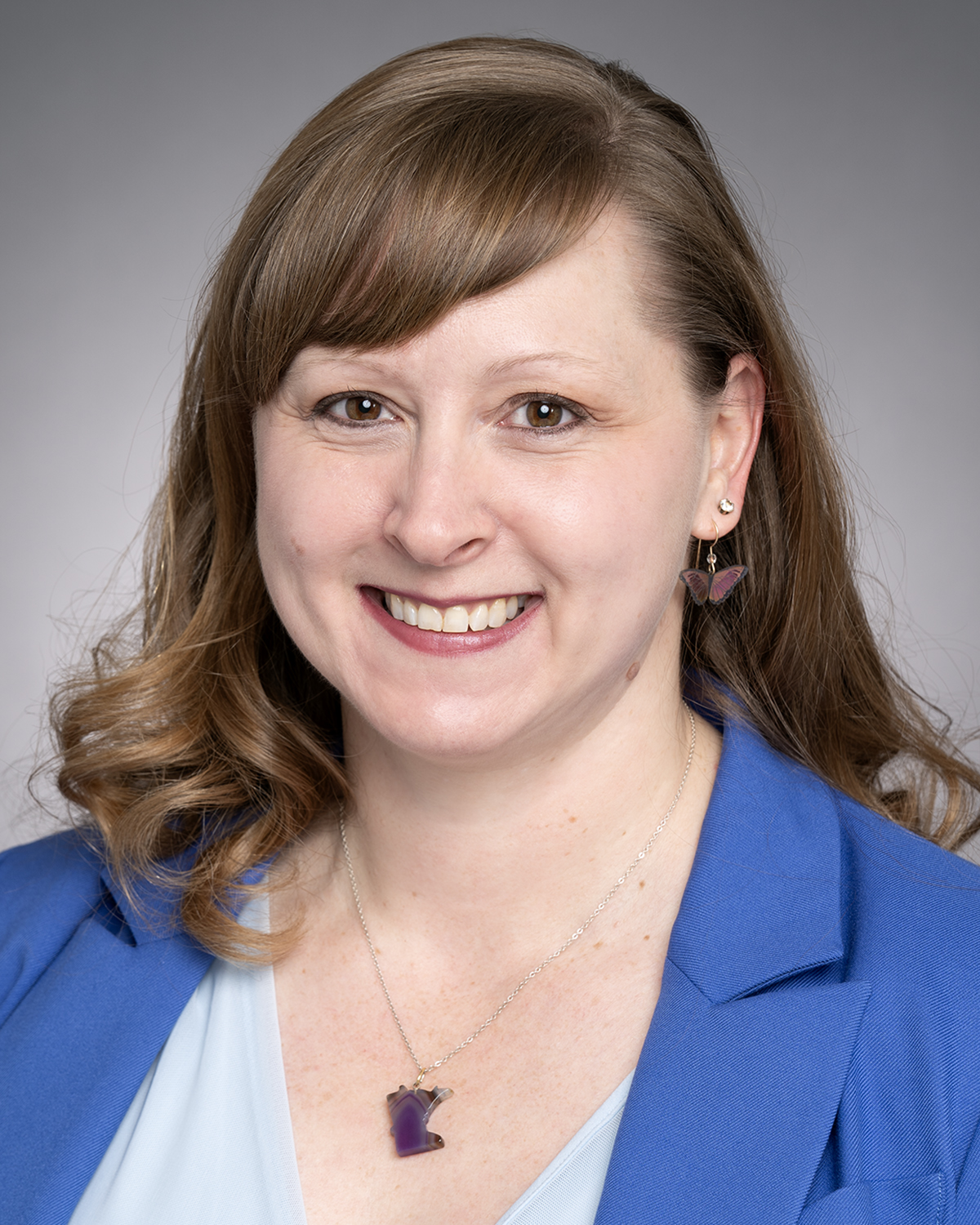
  • Sponsor: Co-sponsor Amanda Hemmingsen-Jaeger

Purpose and Intent

SF 4683 seeks to establish a new category of specialty license plates to support and promote awareness of the 988 Suicide & Crisis Lifeline. The bill proposes creating special plates that drivers can purchase to show support for mental health crisis services and to provide a funding or awareness mechanism for the lifeline in Minnesota.

Key Provisions (as proposed)

  • Creation of Special Plates: Authorizes the Minnesota Department of Public Safety or a designated licensing authority to establish and issue a new “988 Suicide and Crisis Lifeline” specialty license plate option.
  • Eligibility and Issuance: Sets forth the process for design approval, issuance, and renewal of the plates, including any application requirements for vehicle owners who wish to obtain the plate.
  • Funding/Allocation (likely): If the bill includes a revenue or fundraising component (a common feature of specialty plates), it would specify how funds generated by plate sales are collected and allocated—potentially to support the 988 Lifeline operations, crisis services, outreach, or related mental health programs in Minnesota. (Note: the exact allocation details would be specified in the bill text; the summary abstract here notes typical structures.)
  • Design and Branding: Establishes criteria for plate design, branding, and any limitations to ensure respectful and accurate depiction of the 988 Lifeline.
  • Compliance and Administration: Outlines responsibilities of the licensing office, handling of fees, plate replacement, and renewal procedures, as well as any reporting or auditing requirements related to funds raised.

Affected Parties

  • Vehicle Owners: Individuals who wish to obtain the 988 Lifeline specialty plate would need to apply and pay any associated fees.
  • State Agencies: Minnesota Department of Public Safety (or its licensing division) would administer the program, including plate issuance, renewal, and fee collection.
  • Mental Health Initiatives: The 988 Suicide & Crisis Lifeline and related Minnesota mental health/crisis services may benefit from increased awareness and potential funding streams if the plate program includes a dedicated revenue component.

Procedural and Timeline Aspects

  • Introduction and Referral: The bill was introduced and referred to the Transportation committee on March 23, 2026.
  • Next Steps in Process: If advanced by the Transportation committee, the bill would proceed to other legislative steps (e.g., committee hearings, potential amendments, floor votes) and ultimately require passage by both chambers and signature by the governor to become law.

Potential Impacts and Considerations

  • Awareness: Increases public visibility for Minnesota’s 988 Lifeline and mental health crisis resources.
  • Funding: Potentially creates a dedicated funding stream for crisis services, depending on how fees or surcharges are structured.
  • Administrative Burden: Adds responsibilities to the licensing authority for plate design, issuance, and compliance tracking.
  • Design and Branding: Requires careful design approval to maintain consistency with state branding and respectful representation of mental health resources.

This summary reflects the information available from the bill’s introductory action and typical features of specialty plate legislation. For a complete understanding, review the full bill text, including any specific fee amounts, allocation formulas, and design specifications once released.

Compiled from official sources — confirm details with the bill’s official record.

Sign in to ask a question.