

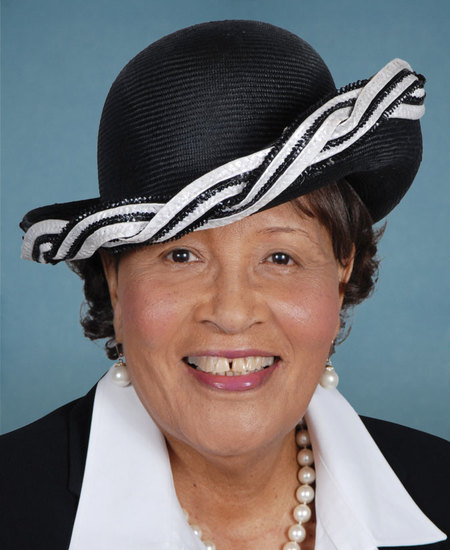
9/11 Responder and Survivor Health Funding Correction Act of 2025
HR 1410 ensures vital health funding for 9/11 responders and survivors, enhancing care access and long-term support for those affected by exposure-related illnesses.
The 9/11 Responder and Survivor Health Funding Correction Act of 2025 (HR 1410) aims to address and rectify funding issues related to health care for first responders and survivors of the September 11, 2001, terrorist attacks. The bill seeks to ensure that adequate resources are allocated to support the ongoing health needs of these individuals, who have suffered long-term health effects due to their exposure to hazardous conditions during and after the attacks.
While the specific provisions of the bill are not detailed in the provided information, the following general objectives are anticipated based on the bill's title and context:
Funding Allocation: The bill is expected to propose adjustments to the funding mechanisms for health care services provided to 9/11 responders and survivors, ensuring that they receive necessary medical treatment and support.
Health Care Access: It may include measures to enhance access to health care services for affected individuals, potentially expanding eligibility or improving the quality of care available.
Long-term Support: The legislation likely emphasizes the importance of long-term health monitoring and treatment for conditions related to 9/11 exposure, including respiratory illnesses, cancers, and mental health issues.
The primary beneficiaries of HR 1410 would include:
First Responders: Firefighters, police officers, emergency medical personnel, and other first responders who were involved in rescue and recovery efforts at Ground Zero and surrounding areas.
Survivors: Individuals who were present in the vicinity of the attacks, including residents, workers, and students, who have since developed health complications linked to their exposure.
Health Care Providers: Medical professionals and institutions that provide care to these individuals may also be impacted by changes in funding and access provisions.
Introduced: The bill was introduced in the House of Representatives on February 18, 2025.
Committee Referral: Upon introduction, it was referred to the House Committee on Energy and Commerce for further consideration.
Cosponsors: The bill has garnered significant bipartisan support, with numerous cosponsors from both parties, indicating a broad commitment to addressing the health needs of 9/11 responders and survivors.
HR 1410 has a companion bill in the Senate, identified as S 739, which may parallel the efforts outlined in the House version, potentially facilitating a more unified legislative approach to the issue.
This summary provides an overview of HR 1410, highlighting its purpose, key provisions, affected parties, and legislative status. The bill represents a critical step toward ensuring that those who risked their lives during the 9/11 attacks receive the ongoing health support they need.
Compiled from official sources — confirm details with the bill’s official record.
Sign in to ask a question.