

Bill

BILL • US SENATE

S 689

Tule River Tribe Reserved Water Rights Settlement Act of 2025

119th Congress
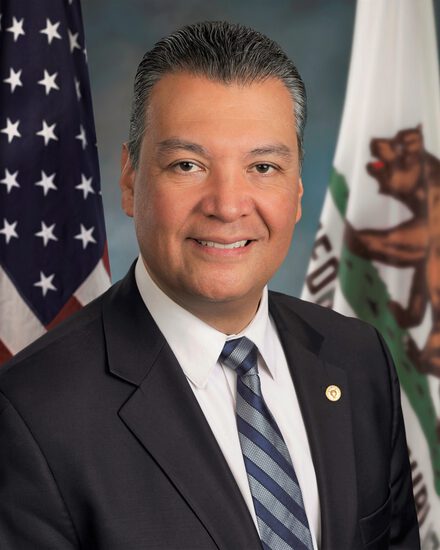
Introduced by Alex Padilla, Adam Schiff,

Bill S 689 requires landlords to promptly address pest infestations, ensuring tenant rights and safe living conditions, with penalties for non-compliance.

Committee on Indian Affairs. Reported by Senator Murkowski without amendment. With written report No. 119-22.
0
0
Bill Summary • S 689

Summary of Bill S 689

Bill Number: S 689

Title: Relates to the responsibility of a landlord to remediate pest infestations

Status: Referred to Judiciary

Introduced: January 08, 2025

Classification: Bill

Purpose and Intent

Bill S 689 aims to establish clear responsibilities for landlords regarding the remediation of pest infestations in rental properties. The intent of the bill is to enhance tenant rights and ensure that living conditions are safe and sanitary by holding landlords accountable for pest control.

Key Provisions

The bill includes several important provisions:

  • Landlord Responsibilities:

    Landlords will be required to take immediate action to remediate pest infestations upon notification from tenants. This includes hiring licensed pest control professionals and ensuring that the property is treated effectively.

  • Notification Process:

    Tenants must notify landlords in writing about any pest issues. The bill outlines specific timelines within which landlords must respond and act to address the infestation.

  • Remediation Standards:

    The bill sets forth standards for pest remediation, including the types of treatments that must be used and the expected outcomes to ensure that infestations are fully eradicated.

  • Tenant Rights:

    Tenants will have the right to request a pest inspection and remediation without fear of retaliation from landlords. The bill aims to protect tenants from eviction or other negative consequences for reporting pest issues.

  • Penalties for Non-Compliance:

    Landlords who fail to comply with the remediation requirements may face penalties, including fines or potential legal action from tenants seeking to enforce their rights.

Affected Parties

  • Landlords:

    The bill places additional responsibilities on landlords, requiring them to be proactive in addressing pest issues and ensuring the health and safety of their rental properties.

  • Tenants:

    Tenants will benefit from enhanced protections and clearer processes for addressing pest infestations, leading to improved living conditions.

Procedural Aspects

  • Current Status:

    As of January 08, 2025, Bill S 689 has been referred to the Judiciary Committee for further consideration. The timeline for further legislative action will depend on the committee's schedule and any subsequent votes.

  • Related Legislation:

    This bill is related to several prior-session bills, including:

    • S 5975
    • S 629
    • S 2644
    • A 6092 (companion bill)

These related bills may provide context or additional provisions that could influence the discussion surrounding S 689.

Conclusion

Bill S 689 represents a significant step towards improving tenant rights and landlord responsibilities regarding pest infestations. By establishing clear guidelines and accountability measures, the bill seeks to foster healthier living environments for renters while ensuring that landlords fulfill their obligations. The outcome of this bill will be closely monitored as it progresses through the legislative process.

Hi! I'm your AI assistant for S 689. I can help you understand its provisions, impacts, and answer any questions.

Key Provisions Impacts Timeline
Sign in to chat