Legislative bill overview
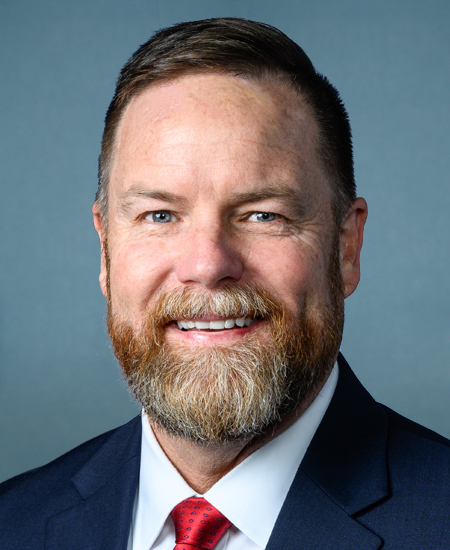
HR 7569 proposes to increase criminal and civil penalties for health care fraud, a federal crime involving false claims, billing, or deception within the health care system. The bill was introduced by Rep. Aaron Bean and referred to multiple committees in February 2026 for review of jurisdiction-specific provisions.
Why is this important
Health care fraud costs the system billions annually, increasing premiums and reducing resources available for patient care. Stronger penalties aim to deter fraudulent actors, though the actual bill text details are needed to assess whether increases are proportionate and how they might affect different stakeholder groups.
Potential points of contention
- Scope of penalties: Questions about whether increased penalties apply uniformly to individual practitioners, large organizations, and insurance companies, or disproportionately target certain groups
- Defining fraud boundaries: Disagreement over what constitutes "fraud" versus honest billing errors, which could affect defensive medicine practices or compliance costs for legitimate providers
- Enforcement and resources: Whether increased penalties are paired with adequate funding for investigation and prosecution, or create enforcement disparities between well-resourced and under-resourced regions