

Bill

BILL • US HOUSE

HR 4303

To establish a Special Envoy for Humanitarian Aid Workers, and for other purposes.

119th Congress
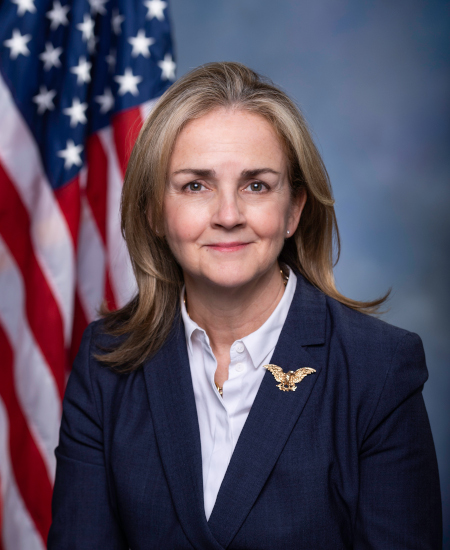
Introduced by Madeleine Dean, Maxine Dexter, Lloyd Doggett and 6 other co-sponsors

HR 4303 establishes a Special Envoy for Humanitarian Aid Workers to enhance their safety and effectiveness in conflict zones, improving coordination and support for aid delivery.

Introduced in House
0
0
Bill Summary • HR 4303

Summary of HR 4303: Establishment of a Special Envoy for Humanitarian Aid Workers

Bill Number: HR 4303

Title: To establish a Special Envoy for Humanitarian Aid Workers, and for other purposes.

Status: Introduced in House

Introduced Date: July 07, 2025

Classification: Bill

Purpose and Intent

The primary aim of HR 4303 is to create the position of a Special Envoy for Humanitarian Aid Workers within the U.S. Department of State. This role is designed to enhance the safety and effectiveness of humanitarian aid workers operating in conflict zones, ensuring that they can deliver assistance without undue interference or risk.

Key Provisions

The bill proposes several significant changes to the State Department Basic Authorities Act of 1956, including:

  1. Appointment and Status:

    • The Special Envoy will be appointed by the President and will report directly to the Secretary of State.
    • The Envoy will hold the rank and status of an ambassador.
  2. Responsibilities:
    The Special Envoy will be tasked with:

    • Investigating incidents involving the death, injury, or detention of aid workers during humanitarian missions.
    • Advocating for improved coordination between U.S. humanitarian missions, international organizations, and foreign security forces.
    • Promoting best practices for the security of aid workers in foreign countries.
    • Developing strategies for collaboration between foreign governments and humanitarian organizations.
    • Supporting efforts to ensure that humanitarian assistance is delivered without interference from foreign security forces.
  3. Reporting Requirements:

    • Within one year of enactment, the Special Envoy must submit an annual report to Congress detailing:
      • The working conditions for aid workers in conflict areas.
      • Security challenges faced by non-governmental organizations (NGOs).
      • The effectiveness of the United Nations Office for the Coordination of Humanitarian Affairs in facilitating humanitarian efforts.
      • The amount of U.S. humanitarian assistance distributed in the previous year.
      • Policy recommendations for improving humanitarian aid delivery.

Affected Parties

The bill primarily impacts:
- Humanitarian Aid Workers: Individuals providing assistance in conflict zones who may face risks to their safety and security.
- Non-Governmental Organizations (NGOs): Organizations involved in delivering humanitarian aid, which will benefit from enhanced advocacy and support.
- U.S. Government: The Department of State will have a dedicated envoy to address humanitarian issues, potentially leading to more effective foreign policy in conflict regions.

Procedural Aspects

  • Legislative Actions:

    • The bill was introduced and referred to the House Committee on Foreign Affairs on July 07, 2025.
  • Sponsorship:

    • The bill is sponsored by Chellie Pingree, with cosponsors including Madeleine Dean, Mark Pocan, Alexandria Ocasio-Cortez, James P. McGovern, and Rashida Tlaib.

Conclusion

HR 4303 seeks to establish a dedicated role within the U.S. government to enhance the safety and effectiveness of humanitarian aid workers. By creating a Special Envoy, the bill aims to improve coordination, advocate for best practices, and ensure that humanitarian missions can operate more safely and effectively in conflict zones.

Hi! I'm your AI assistant for HR 4303. I can help you understand its provisions, impacts, and answer any questions.

Key Provisions Impacts Timeline
Sign in to chat