

Bill

BILL • US HOUSE

HR 1413

To amend title 38, United States Code, to require that domiciliary facilities of the Department of Veterans Affairs and State homes that provide housing to veterans have resident advocates.

119th Congress
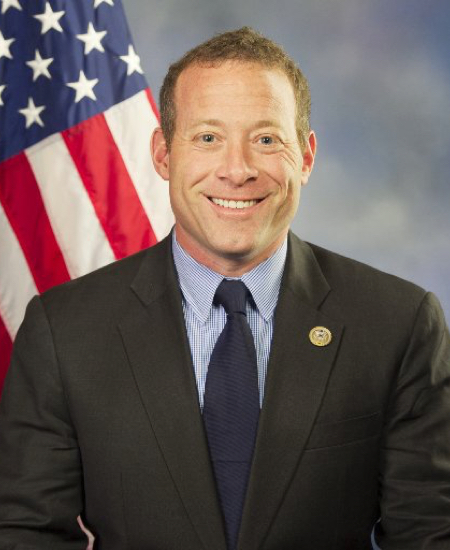
Introduced by Josh Gottheimer,

HR 1413 requires resident advocates in veterans' domiciliary facilities, ensuring veterans have dedicated support to address concerns and improve living conditions.

Referred to the Subcommittee on Economic Opportunity.
0
0
Bill Summary • HR 1413

Summary of HR 1413: Resident Advocates for Veterans' Domiciliary Facilities

Purpose and Intent

HR 1413 aims to enhance the support and advocacy for veterans residing in domiciliary facilities operated by the Department of Veterans Affairs (VA) and state homes. The bill mandates the employment of resident advocates in these facilities to ensure that veterans have a dedicated representative to address their concerns and improve their living conditions.

Key Provisions

The bill proposes the following significant changes to Title 38 of the United States Code:

  1. Employment of Resident Advocates:

    • The Secretary of Veterans Affairs is required to employ a resident advocate in each domiciliary facility.
  2. Duties of Resident Advocates:

    • Liaison Role: Serve as a communication link between veterans and the Secretary of Veterans Affairs.
    • Complaint Management:
      • Receive and document complaints from veterans.
      • Transmit these complaints to the director of the domiciliary facility.
      • Provide responses to veterans regarding their complaints.
    • Escalation of Issues: If deemed appropriate, the resident advocate can escalate complaints to the Secretary or the Inspector General of the Department.

Who Would Be Affected

  • Veterans: The primary beneficiaries of this bill are veterans residing in domiciliary facilities, who will have direct access to advocacy and support for their concerns.
  • Domiciliary Facilities: Facilities operated by the VA and state homes will need to implement the role of resident advocates, potentially impacting staffing and operational procedures.

Procedural Aspects

  • Introduced: The bill was introduced in the House on February 18, 2025.
  • Legislative Actions:
    • Referred to the House Committee on Veterans' Affairs on the same day.
    • Subsequently referred to the Subcommittee on Economic Opportunity on March 21, 2025.

Conclusion

HR 1413 seeks to empower veterans by ensuring they have a resident advocate in domiciliary facilities, facilitating better communication and resolution of issues. This legislative effort reflects a commitment to improving the quality of life for veterans and ensuring their voices are heard within the VA system.

Hi! I'm your AI assistant for HR 1413. I can help you understand its provisions, impacts, and answer any questions.

Key Provisions Impacts Timeline
Sign in to chat