Overview
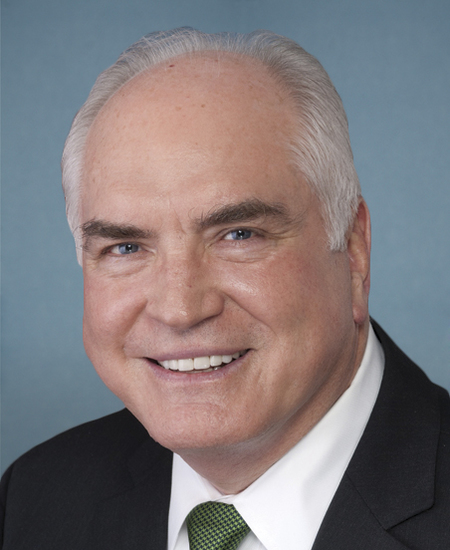
HR 8783, introduced in the 119th Congress, aims to amend the Internal Revenue Code of 1986 to exclude from gross income charitable distributions made from certain employer-sponsored retirement plans. The bill also includes other provisions related to tax treatment of such distributions. It was introduced in the House and referred to the House Committee on Ways and Means. Co-sponsor: Mike Kelly.
Principal purpose and intent
- The main objective is to modify tax treatment of certain charitable distributions that are distributed from employer-sponsored retirement plans.
- Specifically, it seeks to exclude these charitable distributions from an individual’s gross income, effectively making them non-taxable for recipients when they qualify under the bill’s definitions and conditions.
Key provisions and changes
- Exclusion from gross income: Charitable distributions from certain employer-sponsored retirement plans would be excluded from federal gross income for the recipient.
- Scope and definitions (as provided in the bill): The bill would define which employer-sponsored retirement plans are covered and which charitable distributions qualify. Details typically include:
- Types of retirement plans eligible (e.g., employer-sponsored accounts such as certain defined contribution plans).
- Conditions under which a distribution would be considered a charitable distribution.
- Any caps, thresholds, or limits on the amount that can be treated as excluded from gross income.
- Coordination with existing tax rules: The measure would interact with current rules governing qualified Charitable Distributions (QCDs) and required minimum distributions (RMDs). It would specify how the new exclusion relates to, or supersedes, existing treatment.
- Effective dates and transitional provisions: The bill would establish when the exclusion takes effect (e.g., for distributions in a given tax year or for plan years beginning on a specific date) and whether any transition rules apply to existing balances or prior-year distributions.
- Administrative provisions: Potential guidance or requirements for plan administrators and issuers to implement the exclusion, including reporting and compliance considerations.
Who would be affected
- Taxpayers who receive charitable distributions from employer-sponsored retirement plans that meet the bill’s criteria.
- Employers and plan sponsors managing eligible retirement plans, who may need to adjust plan documents, communications, and administrative processes to reflect the exclusion.
- Tax professionals and financial institutions facilitating distributions or advising on charitable giving from retirement accounts.
- The Internal Revenue Service (IRS) and the Department of the Treasury for administration, enforcement, and guidance.
Procedural and timeline aspects
- Introduction and referral: Introduced in the House and referred to the House Committee on Ways and Means on May 13, 2026.
- Legislative progress: As of the provided information, no further actions (markups, votes, or amendments) are listed beyond referral. Subsequent steps would typically include committee hearings, potential amendments, a floor vote, and then progression through the Senate if applicable.
Potential impacts and considerations
- Tax impact: By excluding charitable distributions from gross income, recipients could experience tax advantages similar to other tax-free charitable giving mechanisms, depending on the distribution size and recipient’s tax situation.
- Charitable giving: The bill could encourage greater charitable giving through retirement plan distributions by making them more tax-efficient.
- Planning implications: Individuals and financial advisors would need to assess eligibility, ensure compliance, and coordinate with existing QCD and RMD rules.
- Revenue effects: The exclusion could reduce federal taxable income for some recipients and may have implications for overall federal revenue, depending on uptake and distribution behavior.
If you’d like, I can compare this proposal to existing charitable distribution rules (e.g., QCDs) and highlight where this bill would create new contrasts or synergies.



Start the Conversation
Be the first to share your thoughts on this petition. Your voice matters!