

WeVote

Bill

Bill

HR 7636

To amend the Internal Revenue Code of 1986 to establish the individual tariff refund credit.

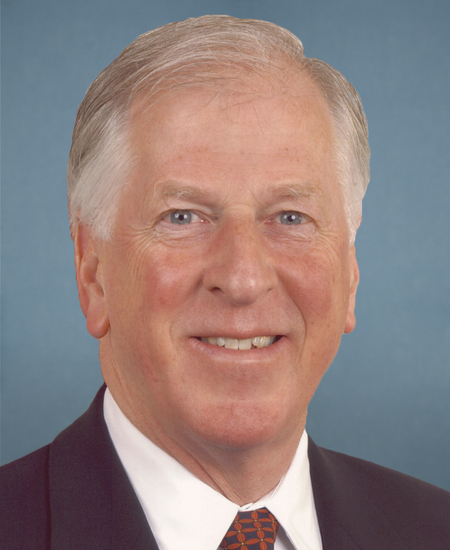
119th Congress Introduced by Mike Thompson

Bill creates tax credits allowing individual taxpayers to offset federal income taxes based on tariff costs, potentially reducing tariff impact on consumers through the tax system.

Introduced in House
1
WeVote Research Nonpartisan
Bill Summary · HR 7636

Legislative bill overview

HR 7636 proposes to amend the Internal Revenue Code to create a new "individual tariff refund credit" that would allow taxpayers to claim credits against their federal income tax liability. The bill would establish a mechanism for individual consumers to receive tax credits related to tariffs, though specific details about how tariffs would be measured, which tariffs qualify, and credit amounts are not provided in the basic bill information.

Why is this important

Tariffs effectively function as taxes on imported goods, raising prices for consumers and businesses. This proposal would attempt to offset those increased costs through the tax system, potentially returning money to individual filers. The real-world impact would depend entirely on the bill's implementing details—specifically which tariffs trigger credits and how credit amounts are calculated.

Potential points of contention

  • Revenue implications: Creating refundable or non-refundable credits would reduce federal tax revenue; unclear whether this proposal is revenue-neutral or adds to the deficit
  • Complexity and administration: Adding another tax credit increases IRS compliance burden and taxpayer filing complexity, potentially favoring those with tax preparation resources
  • Tariff policy philosophy: The credit implicitly accepts tariffs as permanent policy while attempting to hide their consumer cost, rather than debating tariff policy directly on its merits
  • Distributional fairness: Benefits would likely accrue unevenly—higher-income filers may claim larger credits, and those who don't file taxes would receive no benefit despite paying tariff costs

Compiled from official sources — confirm details with the bill’s official record.

Sign in to ask a question.