Overview
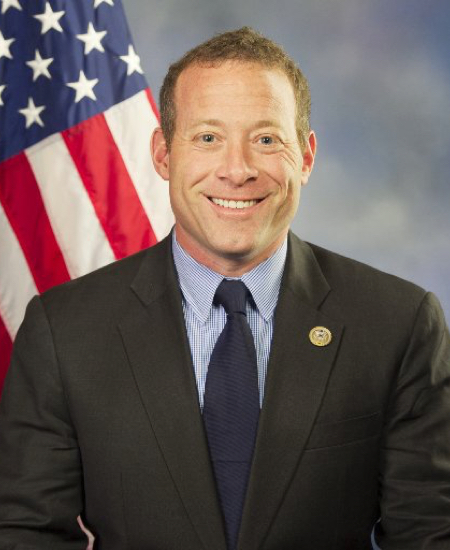
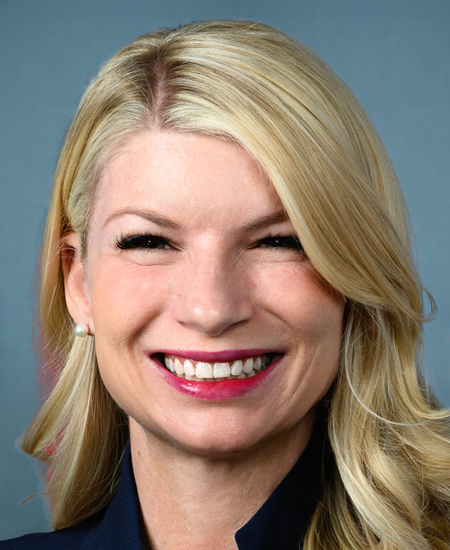
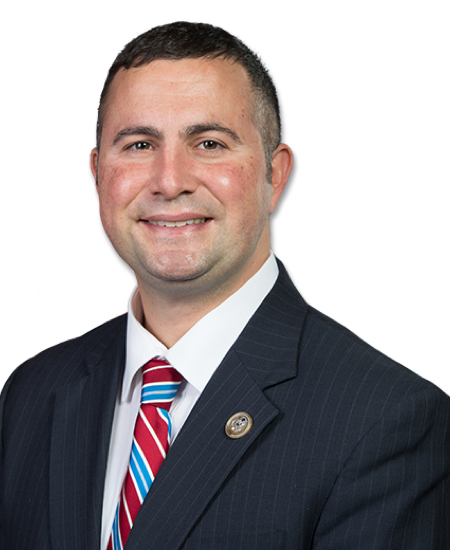
HR 8728 is a proposed bill in the 119th Congress that would amend the Child Nutrition Act of 1966 and the Richard B. Russell National School Lunch Act to establish universal free breakfasts and lunches for all children. The bill, introduced in the House and referred to the Committee on Education and Workforce, has three named co-sponsors: Brittany Pettersen, Josh Gottheimer, and Darren Soto.
Purpose and Intent
- Establish universal, free meals: The primary aim is to provide free breakfast and free lunch to all school-age children, regardless of family income or eligibility status.
- Align with child nutrition objectives: The bill seeks to modify existing federal nutrition programs to ensure universal access and reduce barriers to participation.
Key Provisions and Changes (highlights)
- Amendments to Child Nutrition Act of 1966 and Richard B. Russell National School Lunch Act: The bill would revise these authorizing statutes to implement universal free meals.
- Universal free breakfasts and lunches: Public schools would offer free breakfast and free lunch to all students attending covered grades/age ranges.
- Federal funding and administration: While the exact funding mechanism is not detailed in the summary, such bills typically propose federal funding to reimburse school meal programs for meals served to all students, potentially modifying reimbursement rates and administrative requirements.
- Program scope: The bill would affect the school meal programs administered under the Child Nutrition Act and the National School Lunch Act, potentially including related standards, accountability, and reporting provisions to ensure meal participation and compliance.
Who Would Be Affected
- Students: All schoolchildren eligible to receive school meals would benefit from free breakfast and lunch.
- School districts and schools: Public schools participating in the National School Lunch Program (NSLP) and School Breakfast Program (SBP) would implement universal free meal service, modifying meal pricing, eligibility determinations, and processing procedures.
- Federal and state program administrators: Agencies administering child nutrition programs would assume revised roles in funding, oversight, and compliance to support universal meals.
- Families (indirectly): With universal free meals, households would face fewer or no out-of-pocket costs for school meals, potentially reducing financial barriers at the point of service.
Procedural and Timeline Aspects
- Introduction and referral: The bill was introduced in the House and referred to the Committee on Education and Workforce on May 11, 2026.
- Legislative pathway: As a newly introduced bill, it would require committee action (markup, hearings), potential floor consideration, and passage in one or both chambers, followed by any reconciliation with the Senate and presidential action for enactment.
- Funding and implementation timeline: Specific funding levels, fiscal years, and phased implementation details are not provided in the available information. Typically, such provisions would be specified in the text or committee reports, including expiration dates, phase-in periods, or annual appropriations.
Potential Impact (contextual)
- Nutrition and health: Universal free meals could reduce food insecurity among students, improve school meal participation, and support student concentration and attendance.
- Equity considerations: By removing income-based barriers to free meals, the policy aims to ensure all students have consistent access to nutritious meals during the school day.
- Fiscal considerations: The bill implies a substantial federal commitment to fund free meals; details on cost, funding sources, and long-term sustainability would be critical to assess in the full text and fiscal notes.
Notes
- The summary above reflects information available from the bill’s introductory actions and sponsors. For a complete understanding, analyzing the full legislative text, fiscal impact statements, and committee reports would be necessary.



Start the Conversation
Be the first to share your thoughts on this petition. Your voice matters!