HR 6473 – The Facilitating Increased Resilience, Environmental Weatherization And Lowered Liability (FIREWALL) Act
Summary overview
- Purpose: Establish a refundable personal tax credit to incentivize disaster mitigation expenditures on qualified dwelling units. Aims to bolster resilience against natural hazards, improve weatherization, and reduce potential damages and liability from disasters.
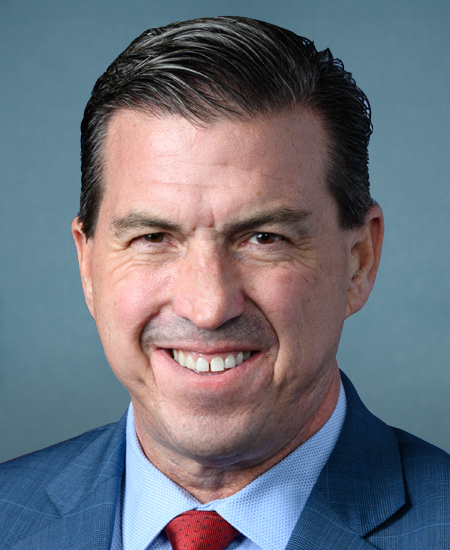
- Introduced: December 4, 2025, in the House of Representatives by Rep. Mullin (with Rep. Salazar as co-sponsor). Referred to the House Committee on Ways and Means.
- Status: Introduced in the House (as of the provided record). No Senate action noted in the provided text.
What the bill would do (key provisions)
- New credit: Creates Section 36C (Disaster Mitigation Expenditures) in the Internal Revenue Code.
- Credit amount: For an individual, the credit equals 50% of qualified disaster mitigation expenditures incurred during the tax year.
- Maximum credit per year: The credit cannot exceed the excess of:
- $25,000 (or 50% of $25,000 for a married individual filing separately), minus
- the amount of any credit previously claimed under this section in prior years.
- Phaseout by income: The annual credit is reduced for higher adjusted gross income (AGI) relative to $200,000; the reduction is proportional to the excess of AGI over $200,000 relative to $100,000. The phasing applies to the amount of the credit, potentially reducing or eliminating the credit for higher-income filers.
- Joint occupancy rule: For dwellings jointly occupied and used as a residence by two or more individuals, the $25,000 expenditure cap applies to all relevant individuals collectively, and the allocation to each individual is determined by a prescribed formula based on each person’s expenditures relative to total expenditures for that dwelling.
- Inflation adjustment: Beginning in years after 2025, the $25,000 cap, the $200,000 AGI trigger, and the $100,000 figures used for phaseout are adjusted for cost-of-living (COLA) using the IRS inflation-adjustment method. Any adjustments or rounding would align to nearest $50 increments.
- Qualified disaster mitigation expenditures defined: Expenditures eligible for the credit cover a broad set of mitigation measures related to a qualified dwelling unit, including:
- Structural hardening and durability improvements (e.g., roof deck attachments, enhanced roof coverings and fire resistance, gable-end brace, improved connections between roof and walls, wind-borne debris protection, impact-resistant doors and garages, ignition-resistant materials, and protections per FEMA guidance such as Wind Retrofit Guide for Residential Buildings).
- Protective and preventive installations (e.g., check valves to prevent flood backups, stormwater drainage, natural or nature-based flood control features like living shorelines, stand-by generator systems, and broader code-compliant wind and flood protections).
- Elevation and water intrusion protections (elevating units and utilities, sealing basement walls, and related flood mitigation approaches).
- Other listed features (e.g., specific wall and foundation anchorage, debris protection for openings, storm shelters meeting ICC-500 standards, and related resilience measures).
- Definition scope: The term “qualified disaster mitigation expenditure” is tied to upgrades and measures intended to increase resilience against natural hazards and weather-related damage as described above, applied to a qualified dwelling unit.
Who is affected
- Primary beneficiaries: Individuals who incur qualified disaster mitigation expenditures on a qualified dwelling unit that serves as their residence.
- Financial impact considerations: Upper-income taxpayers may see diminished or zero credit due to the income phaseout; those with multiple occupants sharing a dwelling face the joint-occupancy allocation rules to determine each person’s eligible share.
- Implementation: Taxpayers would claim the credit on their personal income tax return (consistent with the existing refundable credit framework in the tax code).
Procedural and timeline aspects
- Legal text references: The bill would insert a new Section 36C into Subpart C of Part IV of Subchapter A, Chapter 1 of the Internal Revenue Code.
- Effective date and adjustments: Inflation-based adjustments would apply to tax years after 2025; rounding rules specify adjustments to multiples of $50.
- Next steps: If enacted, IRS guidance and forms would need to be updated to administer the new credit, including definitional clarifications for “qualified disaster mitigation expenditures” and the allocation rules for jointly occupied dwellings.
Notes
- The bill is titled the FIREWALL Act and is introduced with a focus on increasing resilience to disasters while providing a financial incentive for households to invest in mitigation and weatherization measures.