Summary: H.Res. 1183 (119th Congress) – Supporting Black Maternal Health Week (April 11–17, 2026)
Purpose
- Recognizes and designates a national awareness period, April 11–17, 2026, as “Black Maternal Health Week.”
- Founded by Black Mamas Matter Alliance, Inc. (BMMA), aiming to spotlight the maternal and reproductive health crisis affecting Black women and birthing people and the importance of reducing maternal mortality and morbidity in this community.
Key Provisions and Provisions Focus
- Acknowledgment of Disparities:
- Cites Centers for Disease Control and Prevention (CDC) data showing Black women in the U.S. face 2–3 times higher risk of pregnancy-related death than White women.
- Highlights higher rates of maternal morbidities among Black women, especially in low-income and rural communities.
- Notes that the U.S. maternal mortality rate is among the highest in the developed world and has shown troubling annual fluctuations (e.g., 23.8/100k in 2020; 32.9/100k in 2021; 22.3/100k in 2022; 18.6/100k in 2023).
- Indicates that as of 2023, Black women’s maternal mortality rate rose to 50.3/100k, even as rates for White, Hispanic, and Asian women declined.
- Points to Black mothers’ higher likelihood of premature/low-birth-weight births (about 50% more likely than other groups).
- Root Causes and Barriers:
- Attributes inequities to structural racism, social determinants of health, and discrimination within health care and other systems.
- Highlights “maternity care deserts,” limited access to providers, and barriers to midwives/doulas and community-based care.
- Emphasizes barriers to pre-natal and post-partum care, including mental health services.
- Notes the impact of Roe v. Wade reversal on reproductive health and bodily autonomy.
- Identifies risks associated with COVID-19 on maternal outcomes and the disproportionate impact on Black communities.
- Health Care and Policy Frameworks:
- Advocates for human rights, reproductive justice, and birth justice-informed policies to address inequities.
- Supports a sustained and expansive workforce pipeline for diverse perinatal professionals and comprehensive, affordable health care (including full reproductive care).
- Calls for continuous health insurance coverage through the full 12-month postpartum period.
- Community and Governance:
- Encourages policies designed with and led by affected Black communities; seeks to center Black Mamas Matter Alliance (BMMA) and other Black-led organizations.
- Promotes community organizing, research investment, and national platforms for Black-led maternal and mental health initiatives.
- Advocates for funding and policy support for Black-led organizations and perinatal workers providing full-spectrum reproductive and maternal health care.
- Specific Legislative Context:
- Urges Congress to pass the Momnibus Act and other human-rights-based legislation to improve maternal care and outcomes.
Expected Impact
- Public Awareness: Elevates national attention to Black maternal health disparities during the designated week.
- Policy Dialogue: Encourages discussion and investment in community-driven solutions, research, and data collection to address disparities.
- Resource Allocation and Access: Supports ideas for consistent postpartum coverage, expanded reproductive health services, and reduced barriers to care (including for doulas/midwives and community-based providers).
- Equity and Justice Orientation: Frames maternal health improvements as integral to addressing structural racism and social determinants of health.
Procedural and Timeline Notes
- Status: Introduced in the House on April 16, 2026; referred to the House Committee on Energy and Commerce.
- Sponsorship: A broad list of co-sponsors across multiple districts and committees, signaling cross-cutting support for the awareness week designation and related maternal health equity goals.
- No specific funding or detailed implementation plan within the resolution itself; the bill principally designates a national awareness week and expresses policy aspirations consistent with the Momnibus/health equity framework.
Sponsors and Co-Sponsors (selected)
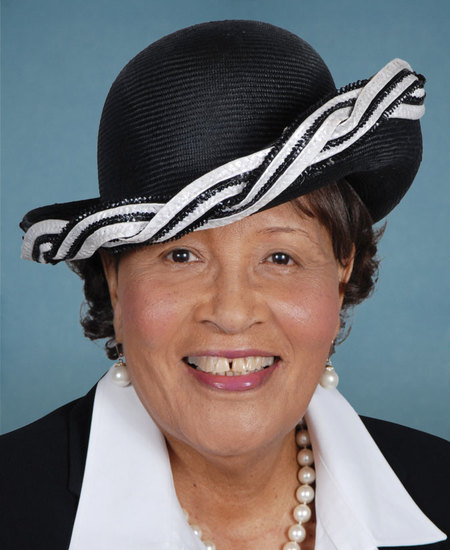
- Primary sponsor: Representative Alexis Adams (with listed co-sponsors including Reps. LaMonica McIver, Ro Khanna, Sydney Kamlager, Sylvia Garcia, Paul Tonko, Jahana Hayes, Norma Torres, and many others).
Note
- This summary focuses on the bill’s declared purpose, the scope of the issues it references, and the policy directions it advocates. It does not create new mandates or funding by itself but aims to set a national attention platform and align future policy discussions with the goals outlined.