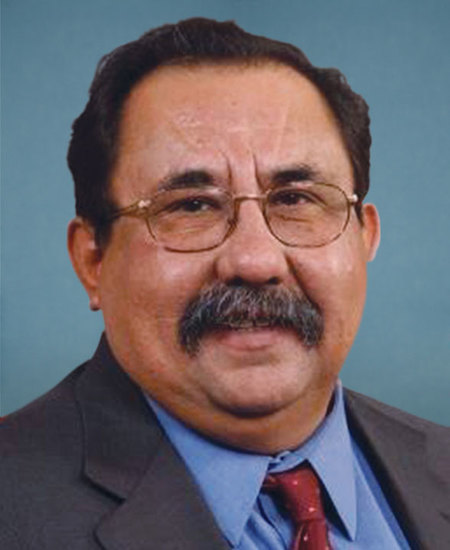
Bill

BILL • US HOUSE

HR 2053

Stop Giving Big Oil Free Money Act

119th Congress
Introduced by Raúl Grijalva,

Aims to end federal subsidies to Big Oil, cutting government support and incentives for large oil companies and reshaping energy policy and markets.

Introduced in House
0
0
Bill Summary • HR 2053

Summary: HR 2053 – Stop Giving Big Oil Free Money Act

Overview

  • Bill number: HR 2053
  • Title: Stop Giving Big Oil Free Money Act
  • Status: Introduced in the U.S. House of Representatives
  • Introduced: March 11, 2025
  • Primary sponsor: Rep. Raúl M. Grijalva
  • Related bill: Senate companion S. 1030
  • Legislative actions (provided):
    • 2025-03-11 — Referred to the House Committee on Natural Resources
    • 2025-03-11 — Introduced in the House

Purpose and intent

  • The bill’s title indicates the objective is to end or restrict “free money” to Big Oil, i.e., to curb or eliminate government financial support or subsidies to large oil companies. The available information does not include the bill’s full text or specific policy mechanisms, so the exact scope and tools (tax credits, direct payments, loan guarantees, royalty or regulatory provisions, etc.) are not specified here.

Key provisions (not detailed in the provided materials)

  • The exact statutory provisions, definitions, eligible programs, timelines, and any phase-in or transition rules are not included in the summary provided. Readers should consult the bill text for:
    • Which federal programs or incentives would be affected
    • Any exemptions, review processes, or enforcement mechanisms
    • Budgetary or fiscal implications, if any
    • Effective dates and transition periods

Potential impact and effects

  • Aims to reduce or eliminate government subsidies or financial support to large oil companies.
  • Potential implications could include changes to federal energy or tax policy, impacts on industry incentives, and corresponding effects on energy markets, regulatory programs, and government revenue.
  • Actual beneficiaries and affected entities depend on the bill’s specific provisions once the full text is available.

Sponsorship and status details

  • Primary sponsor: Rep. Raúl M. Grijalva
  • Status: Introduced in the House; referred to the House Committee on Natural Resources
  • Companion: S. 1030 in the Senate (indicating parallel consideration in the Senate)

Procedural timeline to watch

  • March 11, 2025: Introduced in the House and immediately referred to the House Committee on Natural Resources.
  • Since no further actions are listed in the provided information, follow the bill’s progress through committee hearings, potential amendments, floor consideration, and any Senate action if passed by the House.

Note for readers

  • For a complete understanding, review the full text of HR 2053 and any committee reports or amendments. The title provides a high-level indication of intent, but the precise provisions will determine who is affected and how.

Hi! I'm your AI assistant for HR 2053. I can help you understand its provisions, impacts, and answer any questions.

Key Provisions Impacts Timeline
Sign in to chat