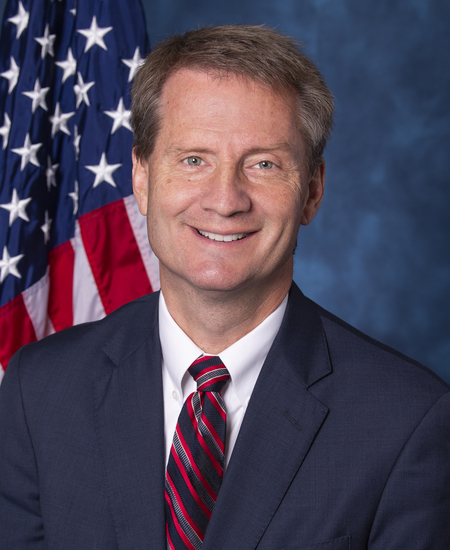
Bill
Bill Summary • HR 8445

Summary of H.R. 8445 – Stop DEI Act (119th Congress)

Author: Rep. Kim (with Reps. Burchett and Donalds)

Introduced: April 22, 2026

Committee: Education and Workforce

Sponsors: Tim Burchett, Young Kim, Byron Donalds

1) Purpose and Intent

  • The Stop DEI Act seeks to restrict federal education funding to institutions of higher education (IHEs) that use race, sex, ethnicity, color, or national origin in ways that violate civil rights laws.
  • In short, the bill aims to prevent federal dollars from supporting schools that engage in DEI-related practices or policies found to violate civil rights protections.

2) Key Provisions and Changes

  • Prohibition on Funds (Section 2(a)):

    • No funds may be made available under an applicable federal program to an institution of higher education that considers race, sex, ethnicity, color, or national origin in ways that violate civil rights laws.
    • This would affect funding eligibility based on the IHE’s internal policies or practices related to DEI or related considerations.
  • Definitions (Section 2(b)):

    • Applicable Program: The bill uses the definition of “applicable program” as provided in section 400 of the General Education Provisions Act (20 U.S.C. 1221), which governs federal education funds and programs.
    • Institution of Higher Education: The bill uses the definition from section 102 of the Higher Education Act of 1965 (20 U.S.C. 1002).
  • The text provided does not include a list of enumerated DEI practices or a precise standard for “violating civil rights laws” beyond existing law. The core mechanism is a linkage between civil rights compliance and eligibility for federal funding.

3) Who/What Would Be Affected

  • Institutions Affected:

    • Any institution of higher education (colleges and universities) that receive federal education funds through applicable programs would be subject to the prohibition if they engage in DEI-related considerations or policies that violate civil rights laws as determined under existing civil rights statutes.
  • Federal Programs and Funds:

    • Programs identified in the General Education Provisions Act (and other known federal education funding streams) that are “applicable programs” for HEIs would be impacted, insofar as funds would be withheld from noncompliant institutions.

4) Procedural and Timeline Aspects

  • Current Status:

    • Introduced in the House on April 22, 2026 and referred to the House Committee on Education and Workforce.
  • Next Steps (if enacted):

    • The bill would need passage by the House, then Senate consideration, and, if approved, be sent to the President for signature or veto.
    • If enacted, the Department of Education and related federal programs would implement the funding-eligibility criteria and monitor for compliance with civil rights laws.

5) Additional Notes

  • The summary focuses on the substantive intent: tying federal education funding eligibility to compliance with civil rights laws in the context of DEI-related practices at IHEs.
  • Specific civil rights standards or interpretations that would trigger ineligibility are not enumerated in the text provided; such standards would rely on existing civil rights law and its enforcement mechanisms.

If you’d like, I can add a comparison with current federal civil rights enforcement or provide a hypothetical compliance checklist an institution might use to assess eligibility under this bill.

Hi! I'm your AI assistant for HR 8445. I can help you understand its provisions, impacts, and answer any questions.

Key Provisions Impacts Timeline
Sign in to chat