
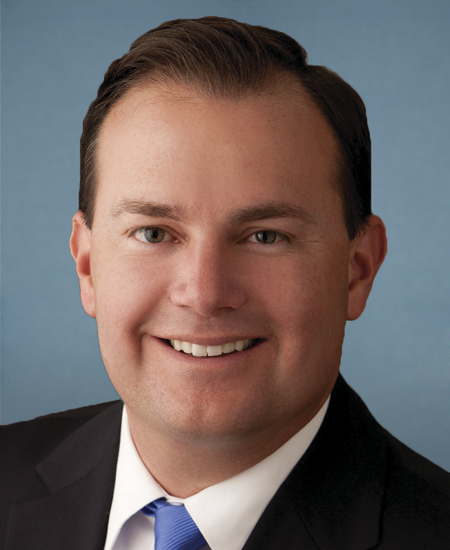
Bill

BILL • US SENATE

S 1250

SHIELD U Act

119th Congress
Introduced by Mike Lee,

S.1250 SHIELD U Act would strengthen enforcement of lawful drone use to prevent harmful incidents, affecting drone operators, manufacturers, and federal regulators.

Introduced in Senate
0
0
Bill Summary • S 1250

Summary of S. 1250 — SHIELD U Act

Key Facts

  • Bill Number: S 1250
  • Short Title: Stopping Harmful Incidents to Enforce Lawful Drone Use Act (SHIELD U Act)
  • Status: Introduced in the U.S. Senate
  • Introduced: April 2, 2025
  • Sponsor (primary): Senator Mike Lee
  • Legislative Actions to Date:
    • 2025-04-02: Read twice and referred to the Committee on Commerce, Science, and Transportation
    • 2025-04-02: Introduced in Senate

Purpose and Intent

  • The SHIELD U Act, by its title, aims to address harmful incidents involving drones and to strengthen the enforcement of lawful drone use. The available information does not include a full text or detailed statement of purpose, so the precise objectives, definitions, and enforcement mechanisms are not specified in the provided summary. The title suggests a focus on safety, compliance with drone regulations, and enhanced enforcement tools.

Provisions and Provisions’ Scope

  • Specific provisions, statutory text, definitions, funding, regulatory changes, penalties, or implementation timelines are not provided in the information given. Therefore, a detailed listing of what the bill would do (e.g., new rules for drone operations, agency responsibilities, penalties, or funding authorizations) cannot be stated from the provided content.
  • As the bill has been introduced and referred to the Committee on Commerce, Science, and Transportation, any substantive provisions would typically be developed and amended during committee consideration.

Who Would Be Affected

  • Potentially affected entities include:
    • Drone operators and owners (commercial and recreational)
    • Drone manufacturers and technology developers
    • Regulatory and enforcement agencies (likely federal, such as those involved in aviation and commerce regulation)
    • Businesses and individuals relying on drone-enabled services
  • The exact scope (e.g., applicability, exemptions, definitions of “harmful incidents,” privacy protections) depends on the bill’s full text, which is not provided here.

Procedural and Timeline Considerations

  • After introduction, the bill was referred to the Senate Committee on Commerce, Science, and Transportation for review. Typical next steps (subject to committee action) include:
    • Hearings and testimony
    • Markup and potential amendments
    • Committee vote to report the bill to the full Senate
    • If reported and passed by the Senate, consideration by the House (or a conference if there are differences)
  • Timeline is uncertain and depends on committee actions and potential bipartisan support.

Notes for Readers

  • The available data covers only the bill’s metadata (title, sponsor, introduction date, and basic referral actions). For a precise understanding of what S. 1250 would do, the full text and any committee reports or amendments would be required.

Hi! I'm your AI assistant for S 1250. I can help you understand its provisions, impacts, and answer any questions.

Key Provisions Impacts Timeline
Sign in to chat