

Bill
Bill Summary • S 1625

Summary: SHIELD Against CCP Act (S. 1625)

Overview

S. 1625 is a Senate bill titled the SHIELD Against CCP Act, standing for the Strategic Homeland Intelligence and Enforcement Legislation to Defend Against the CCP Act. The introduced text, as provided, only establishes the act’s short title; no substantive provisions are included in the version content shared here.

Purpose and Scope

  • Based on the title, the bill is designed to advance strategic homeland intelligence and enforcement actions to counter activities associated with the Chinese Communist Party (CCP).
  • The specific policy provisions, authorities, or programs that would be created or modified are not detailed in the provided text.

Sponsors and Legislative History

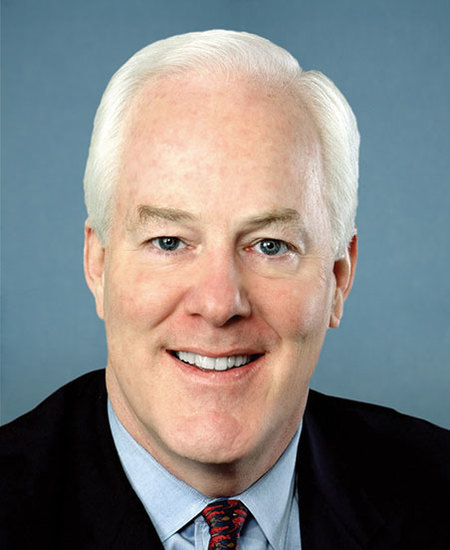
  • Primary sponsor: John Cornyn
  • Cosponsors: Ruben Gallego, James Lankford
  • Legislative actions (as of introduction):
    • May 6, 2025: Read twice and referred to the Senate Committee on Homeland Security and Governmental Affairs.
    • May 6, 2025: Introduced in the Senate
  • Related legislation: HR 708 (companion bill)

Key Provisions (as of the provided text)

  • The only explicit content in the version introduced is the citation phrase: “This Act may be cited as the Strategic Homeland Intelligence and Enforcement Legislation to Defend Against the CCP Act.”
  • No detailed statutory text, programs, funding, or agency authorities are included in the provided content.

Potential Impact and Stakeholders (contextual)

Note: Without the full text, the following reflects likely areas of impact based on the bill’s title and typical scope of related homeland security legislation. Actual impacts will depend on enacted language.

  • Government agencies: Potential involvement or expansion of authorities for homeland security, intelligence gathering, counterintelligence, and enforcement against CCP-related activities.
  • National security landscape: Possible enhancements to monitoring, analysis, and response capabilities concerning foreign influence, espionage, or other CCP-driven threats.
  • Businesses and researchers: Impacts could arise in areas related to foreign investment screening, export controls, supply chain security, or information integrity, depending on the bill’s final provisions.
  • International relations: Could influence how the United States engages with China on security and technology policy, depending on the bill’s enforcement mechanisms.

Timeline and Next Steps

  • Next steps (pending): The bill would typically proceed through committee consideration, potential amendments, and eventual floor votes in the Senate. If approved, it could move to the House as part of the companion legislation (HR 708) for consideration, or proceed through separate reconciliation or amendment processes if applicable.
  • Monitor for: The full text of the bill, committee reports, any proposed amendments, and public statements from sponsors outlining intended authorities and funding.

Notes

  • The summary above reflects only the information provided for S. 1625. For a complete and precise understanding, the full legislative text, committee report, and sponsor statements should be reviewed once available.

Hi! I'm your AI assistant for S 1625. I can help you understand its provisions, impacts, and answer any questions.

Key Provisions Impacts Timeline
Sign in to chat