Summary of HR 2399: Rural Broadband Protection Act of 2025
Overview
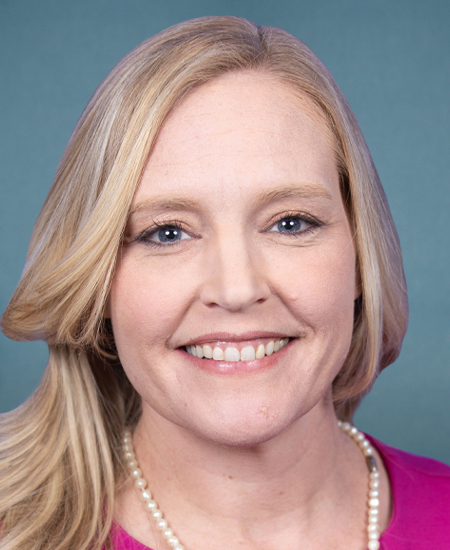
The Rural Broadband Protection Act of 2025 (HR 2399) aims to enhance the Federal Communications Commission's (FCC) vetting process for applicants seeking funding from the Universal Service Fund's (USF) high-cost programs. This legislation was introduced on March 27, 2025, by Representatives Erin Houchin (R-IN) and Robin L. Kelly (D-IL) and has since passed the House and is currently under consideration in the Senate.
Purpose and Intent
The primary purpose of HR 2399 is to ensure that only qualified applicants receive funding for broadband deployment in rural areas. By establishing a robust vetting process, the bill seeks to prevent defaults by applicants who may not have the capability to deliver the promised services, thereby improving the efficiency and effectiveness of broadband expansion efforts.
Key Provisions
- Vetting Process Requirement: The FCC is mandated to develop a comprehensive vetting process for applicants seeking funding under the USF's high-cost programs. This process aims to assess the legal, technical, and financial qualifications of applicants before they receive funding.
- Addressing Past Defaults: The bill responds to issues identified in the Rural Digital Opportunity Fund (RDOF) Phase I auction, where several winning bidders defaulted, leaving millions of homes and businesses without service. The new vetting process is intended to mitigate such occurrences in the future.
Background and Need for Legislation
The need for this legislation stems from the experiences of the RDOF, which awarded $9.8 billion to support broadband deployment but faced significant defaults from winning bidders. Specifically, 73 bidders defaulted, affecting 1.7 million homes and businesses that remained unserved. A stronger pre-award vetting process could have prevented these defaults by ensuring that only capable providers were awarded funding.
Legislative Process and Timeline
- March 27, 2025: Bill introduced and referred to the House Committee on Energy and Commerce.
- April 8, 2025: The Committee on Energy and Commerce favorably reported the bill with a vote of 51 yeas to 1 nay.
- April 24, 2025: The bill was reported with House Report 119-78 and placed on the Union Calendar.
- April 28, 2025: The House passed the bill by voice vote after a 40-minute debate.
- April 29, 2025: The bill was received in the Senate, read twice, and placed on the Senate Legislative Calendar under General Orders (Calendar No. 61).
Impact
The Rural Broadband Protection Act of 2025 is expected to:
- Improve the reliability of broadband service deployment in rural areas by ensuring that only qualified applicants receive funding.
- Enhance accountability among broadband providers, potentially leading to better service delivery and increased access to high-speed internet for underserved communities.
Conclusion
HR 2399 represents a significant step toward strengthening the funding process for rural broadband initiatives. By requiring a thorough vetting process for applicants, the bill aims to prevent past mistakes and ensure that federal resources are effectively utilized to expand broadband access in rural America.