

Bill

BILL • US SENATE

S 2894

Reconciliation in Place Names Act

119th Congress
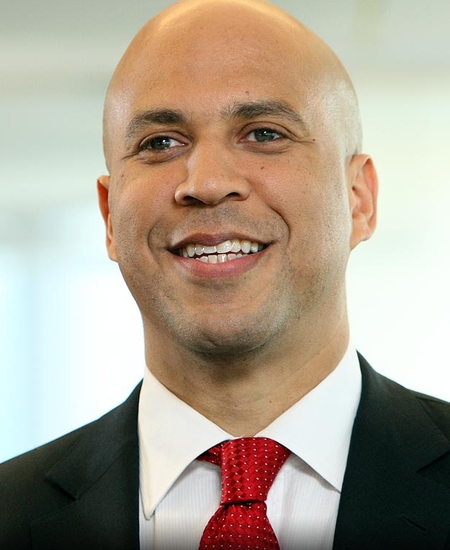
Introduced by Cory Booker, Tammy Duckworth, John Hickenlooper and 8 other co-sponsors

The Reconciliation in Place Names Act establishes a commission to rename offensive geographic locations, fostering respect for Indigenous cultures and promoting community engagement.

Introduced in Senate
0
0
Bill Summary • S 2894

Summary of Bill S 2894: Reconciliation in Place Names Act

Purpose and Intent

The Reconciliation in Place Names Act (S 2894) aims to address historical injustices related to the naming of geographic locations in the United States. The bill seeks to promote the renaming of places that carry names deemed offensive or derogatory, particularly those that reflect colonialism, racism, or discrimination against Indigenous peoples and other marginalized communities. The intent is to foster reconciliation and respect for the diverse cultural heritage of the nation.

Key Provisions

The bill includes several significant provisions:

  1. Establishment of a Commission:

    • A commission will be established to review and recommend changes to place names that are considered offensive or inappropriate.
    • The commission will consist of representatives from Indigenous communities, historians, and cultural experts.
  2. Criteria for Renaming:

    • The commission will develop criteria to evaluate place names based on their historical context and impact on communities.
    • Names that perpetuate negative stereotypes or historical injustices will be prioritized for review.
  3. Public Engagement:

    • The bill mandates public hearings and community engagement sessions to gather input from local residents and stakeholders regarding proposed name changes.
  4. Funding:

    • The bill proposes funding to support the commission's activities, including research, community outreach, and the implementation of name changes.
  5. Timeline for Implementation:

    • The commission is required to submit its recommendations within a specified timeframe (to be determined) after its establishment.

Who Would Be Affected

  • Indigenous Communities: The bill directly impacts Indigenous peoples by recognizing their cultural heritage and addressing historical grievances associated with place names.
  • Local Governments: Municipalities and state governments will be involved in the renaming process, potentially leading to changes in signage, maps, and official documents.
  • General Public: Communities will have the opportunity to engage in discussions about their local history and the significance of place names, fostering a greater understanding of cultural sensitivity.

Procedural Aspects

  • Legislative Status: The bill was introduced in the Senate on September 18, 2025, and has been read twice and referred to the Committee on Energy and Natural Resources for further consideration.
  • Next Steps: The committee will review the bill, hold hearings, and may propose amendments before it is brought back to the Senate for a vote.

Conclusion

The Reconciliation in Place Names Act represents a significant step towards acknowledging and rectifying historical injustices associated with place naming in the United States. By establishing a framework for renaming offensive geographic locations, the bill aims to promote healing and inclusivity within communities across the nation.

Hi! I'm your AI assistant for S 2894. I can help you understand its provisions, impacts, and answer any questions.

Key Provisions Impacts Timeline
Sign in to chat