

Bill

BILL • US HOUSE

HRES 1277

Recognizing, from Chicago to Palestine to the Democratic Republic of the Congo to Puerto Rico, that the pain, violence, and oppression the global majority experiences are interconnected, acknowledges that the future must be self-determined, and affirms our humanity and dignity through a renewed mandate for human rights.

119th Congress
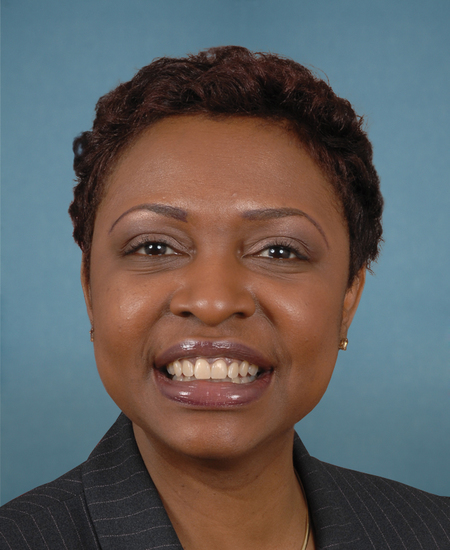
Introduced by Yvette Clarke, Ayanna Pressley, Delia Ramirez and 2 other co-sponsors

Establish a renewed human-rights–centered framework guiding U.S. policy domestically and internationally toward dignity, self-determination, and reducing militarism.

Submitted in House
0
1
Bill Summary · HRES 1277

Overview

  • Bill: H.R. 1277
  • Session: 119th Congress, 2nd Session
  • Title (long form): Recognizing, from Chicago to Palestine to the Democratic Republic of the Congo to Puerto Rico, that the pain, violence, and oppression the global majority experiences are interconnected, acknowledges that the future must be self-determined, and affirms our humanity and dignity through a renewed mandate for human rights.
  • Introduced: May 12, 2026
  • Primary sponsors: Mrs. Ramirez (with several co-sponsors including Representatives Pressley, Velázquez, Tlaib, Clarke)
  • Status: Referred to multiple committees (Judiciary; Foreign Affairs; Homeland Security; Armed Services; House Administration; Financial Services; Energy and Commerce; Education and Workforce; Ways and Means)

Main purpose and intent

  • Establish a renewed, comprehensive “mandate for human rights” that frames global and domestic policy around the dignity, security, and self-determination of the so-called “global majority.”
  • Reframe national security and foreign policy away from militarism and coercive economics toward human security, diplomacy, and universal human rights.
  • Affirm the interconnectedness of oppression (racism, colonialism, capitalism, imperialism, White supremacy, patriarchy) and call for policies that dismantle these systems domestically and abroad.
  • Seek to protect and advance civil, political, economic, social, and cultural rights for all people, with explicit attention to marginalized communities.

Key provisions and changes proposed

  • Definitions and framework:

    • Introduces specific terms: intersectionality, “global majority,” renewed mandate for human rights, racism, colonialism, capitalism, bodily autonomy, imperialism, White supremacy, patriarchy.
    • Establishes a baseline human-rights framework to guide state and non-state actors’ conduct.
  • Policy objectives and commitments:

    • Aims to end or reform U.S. immigration practices considered inhumane (deportations, detention, border militarization) and to reinstate pathways to citizenship and asylum.
    • Proposes dismantling or reforming the Department of Homeland Security and redirecting border and immigration policy toward humane migration management.
    • Calls for reinstatement of non-discriminatory policies for temporary protected status, work permits, and asylum; grants sovereignty to unincorporated territories and occupied lands.
    • Advocates a pro-peace global agenda, redirecting funding toward humane migration and peace-building rather than war and militarism.
    • Proposes redirecting defense funding toward peace initiatives, global partnerships, and humanitarian purposes; ends or limits military aid to violators of human rights.
    • Establishes a U.S. Human Rights Commission to monitor and respond to domestic and international human-rights violations.
    • Encourages international cooperation and a shift away from imperialist and colonial practices.
  • Domestic policy and protections for the global majority:

    • Policies to ensure free, fair, and protected voting; repeal policies that suppress or exclude the vote.
    • Strengthens protections against disinformation and disinformation-driven political influence; addresses the impact of AI and social media on democracy.
    • Seeks to address the unaffordability crisis through an intersectional approach and spatial policy reforms to reduce segregation and improve access to public services, education, and transportation.
  • Economic justice and labor:

    • Calls for a just economy with living wages, strong unions, and protections for workers; promotes collective bargaining and the right to strike.
    • Proposes taxing corporate billionaires and megacorporations at fair rates to fund social programs and reduce inequality.
    • Supports universal health care and removes barriers to health access (including for immigrants and those with documentation concerns).
    • Emphasizes a global-economic stance that reduces sanctions-driven humanitarian harms and promotes cooperative international engagement.
  • Land rights and environment:

    • Recognizes land rights of Indigenous Peoples; promotes self-determination and community-level decision making over land use.
    • Advocates green infrastructure, environmental justice, and policies addressing environmental racism and climate resilience.
    • Calls for equitable access to housing, preventing forced evictions, and reducing housing insecurity.
  • Rights of women, LGBTQIA+ communities, and people with disabilities:

    • Supports gender equality, bodily autonomy, reproductive rights, and access to gender-affirming care.
    • Endorses protections against discrimination based on gender, sexuality, and disability; supports pay parity and inclusive workplaces.
    • Reinstates and strengthens U.S. support for gender equity globally.
  • Health care:

    • Endorses universal health care and removes barriers related to documentation status; expands reproductive health services and care for LGBTQIA+ communities.
  • History, memory, and culture:

    • Protects and preserves the history and memory of marginalized communities; opposes censorship and erasure of cultures and histories.
  • Justice and criminal justice:

    • Calls for ending mass incarceration, detention, and the prison-industrial complex; emphasizes restorative justice and care-based violence prevention.

Who would be impacted

  • Domestic: U.S. residents, including immigrants, marginalized racial/ethnic groups, women, LGBTQIA+ individuals, people with disabilities, and tenants facing housing insecurity.
  • Government and agencies: Reallocation and restructuring of funding and authority (e.g., potential dissolution/downsizing of DHS; creation of a U.S. Human Rights Commission; reallocation of DoD and State Department funds toward peaceful, humanitarian goals).
  • International: Foreign policy shifts toward diplomacy, human-rights protections, and sanctions reform; potential impact on U.S. aid, military assistance, and diplomacy strategy globally.
  • Civil society: Enhanced role for civil society organizations, labor unions, and community-led processes in governance, land use, and democratic participation.

Procedural and timeline aspects

  • Referral: Referred to the Judiciary Committee and eight other House committees for consideration of provisions within their jurisdiction.
  • Next steps: Committees would review, amend, and potentially report the measure back to the House; floor considerations would depend on Speaker’s schedule and committee actions.
  • Political posture: As a concurrent resolution, it expresses the sentiment and policy preferences of the sponsoring members; it does not itself create binding law, but could guide future legislative priorities and actions.

Summary

H.R. 1277 seeks to establish a comprehensive, rights-centered framework for U.S. policy, linking domestic and international human rights to a broader vision of social, economic, and environmental justice. It advocates reforming immigration and border policies, redirecting militarized spending toward peace and humanitarian activities, strengthening civil rights and labor protections, guaranteeing universal health care, protecting land and Indigenous rights, and ensuring a robust, multi-faceted defense of human security. The measure envisions a U.S. government and society that prioritizes dignity, mutual aid, and democratic participation for the global majority, while reorienting policy away from imperialism, militarism, and systemic inequities.

Hi! I'm your AI assistant for HRES 1277. I can help you understand its provisions, impacts, and answer any questions.

Key Provisions Impacts Timeline
Sign in to chat

Start the Conversation

Be the first to share your thoughts on this petition. Your voice matters!

Share your opinion above