

Bill

BILL • US SENATE

S 1087

Rebuild America’s Health Care Schools Act of 2025

119th Congress
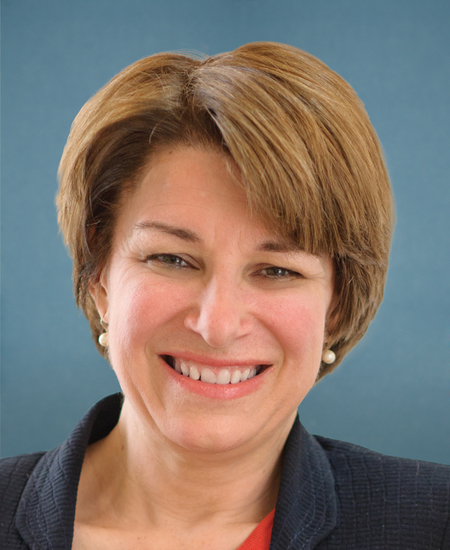
Introduced by Amy Klobuchar, Thom Tillis,

Bill S 1087 ends lifetime parole for juveniles and young adults sentenced for serious crimes, allowing parole termination after three years of good behavior.

Introduced in Senate
0
0
Bill Summary • S 1087

Summary of Bill S 1087: An Act to End Lifetime Parole for Juveniles and Emerging Adults

Purpose and Intent

Bill S 1087 aims to abolish lifetime parole for individuals who committed crimes as juveniles or emerging adults. The bill recognizes the developmental differences between young individuals and adults, advocating for a more rehabilitative approach to justice for those who committed serious offenses before the age of 21.

Key Provisions

The bill introduces several significant amendments to existing Massachusetts law:

  1. Definition of "Transformational Youth":

    • A new category, "transformational youth," is defined as individuals aged 14 to 20 who received life sentences for first- or second-degree murder or manslaughter. This definition applies retroactively.
  2. Exclusion from "Youthful Offender" Status:

    • Transformational youth are explicitly excluded from the definition of "youthful offender," which may impact their treatment within the justice system.
  3. Parole Termination Process:

    • Eligibility for Termination: After three years of living on parole without committing any felonies or misdemeanors, transformational youth can have their parole terminated.
    • Notification Requirements: Parole officers must notify the parole board within five days of a transformational youth completing three years on parole. The parole board must then vote on the termination within ten days.
    • Certificate of Termination: If approved, a certificate will be issued, and notifications will be sent to relevant parties, including the individual, the sentencing judge, and victims.
  4. Retroactive Application:

    • The bill allows individuals who have already served more than three years on parole prior to the bill's enactment to also seek termination of their parole under the new provisions.

Affected Individuals

The bill primarily affects:
- Individuals who were sentenced to life without parole for crimes committed while they were minors or young adults (ages 14-20).
- The families of these individuals, as well as victims and their families, who may have concerns about the implications of parole termination.

Procedural Aspects

  • Hearing Scheduled: A hearing for the bill is set for November 18, 2025, from 1:00 PM to 5:00 PM in room A-1.
  • Legislative Journey: The bill was introduced on February 27, 2025, and has been referred to the Judiciary Committee. It has received concurrence from the House.

Conclusion

Bill S 1087 represents a significant shift in the treatment of juvenile and emerging adult offenders in Massachusetts, emphasizing rehabilitation over lifelong punishment. By allowing for the possibility of parole termination, the bill seeks to provide a second chance for those who have demonstrated rehabilitation and good behavior.

Hi! I'm your AI assistant for S 1087. I can help you understand its provisions, impacts, and answer any questions.

Key Provisions Impacts Timeline
Sign in to chat