Summary of HRES 489
Bill Number: HRES 489
Introduced: June 9, 2025
Status: Motion to reconsider laid on the table; Agreed to without objection.
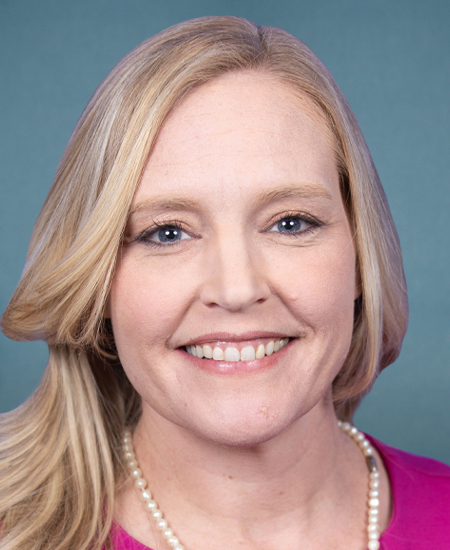
Sponsor: Erin Houchin (Primary)
Purpose and Intent
House Resolution 489 (HRES 489) provides for the consideration of several bills related to voting rights, immigration compliance, law enforcement discipline, and drug scheduling in the District of Columbia (D.C.). The resolution aims to facilitate legislative action on these bills by establishing rules for their debate and consideration in the House of Representatives.
Key Provisions
HRES 489 outlines the following key provisions for consideration:
H.R. 884:
- Prohibits non-citizens from voting in elections in D.C.
- Repeals the Local Resident Voting Rights Amendment Act of 2022.
- Considered under a closed rule, meaning no amendments can be made during the debate.
H.R. 2056:
- Requires D.C. to comply with federal immigration laws.
- Also considered under a closed rule with similar provisions as H.R. 884.
H.R. 2096:
- Restores the right for law enforcement officers in D.C. to negotiate disciplinary matters through collective bargaining.
- Restores the statute of limitations for bringing disciplinary cases against members or civilian employees of the Metropolitan Police Department.
- Considered under a closed rule.
S. 331:
- Amends the Controlled Substances Act regarding the scheduling of fentanyl-related substances.
- Considered under a closed rule.
Impact
The resolution affects various stakeholders, including:
- Voters in D.C.: The prohibition on non-citizen voting could significantly alter the electoral landscape in the district.
- Law Enforcement: Changes to collective bargaining rights and disciplinary procedures may impact the operations and accountability of the Metropolitan Police Department.
- Immigrants: Compliance with federal immigration laws could affect undocumented individuals in D.C., particularly those who are victims or witnesses of crimes.
- Public Health: Amendments to the scheduling of fentanyl-related substances aim to address public health concerns related to drug abuse.
Procedural Aspects
- The resolution allows for one hour of general debate for each bill, equally divided between the chair and the ranking minority member of the Committee on Oversight and Government Reform.
- It provides for one motion to recommit for H.R. 884, H.R. 2056, and H.R. 2096, and one motion to commit for S. 331.
- All points of order against the consideration of the bills are waived, allowing for a streamlined legislative process.
Legislative Actions
- On June 10, 2025, the resolution was agreed to by a recorded vote of 211-206.
- The motion to reconsider was laid on the table, indicating that the House has concluded its immediate consideration of the resolution.
This summary provides an overview of HRES 489, highlighting its purpose, key provisions, potential impacts, and procedural details to inform readers about the legislative actions concerning voting rights, immigration, law enforcement, and drug policy in the District of Columbia.