Summary of HJRES 3 - Proposed Constitutional Amendment on Budget Balancing
Bill Overview
- Bill Number: HJRES 3
- Title: Proposing an amendment to the Constitution of the United States relative to balancing the budget.
- Status: Introduced in House
- Introduced Date: January 03, 2025
- Classification: Resolution
Purpose and Intent
HJRES 3 aims to amend the United States Constitution to require that total federal outlays for any fiscal year do not exceed total federal receipts for that same year. This amendment seeks to enforce fiscal responsibility at the federal level by limiting government spending and ensuring that the budget remains balanced unless specific conditions are met.
Key Provisions
The proposed amendment includes the following critical provisions:
- Budget Limitation: Total outlays for any fiscal year must not exceed total receipts for that fiscal year.
- Exceeding Outlays: If Congress wishes to exceed the total receipts, a two-thirds majority of the duly chosen and sworn Members of each House of Congress must approve this by a rollcall vote.
This provision establishes a clear mechanism for accountability and requires a significant consensus among lawmakers to authorize any budget deficits.
Affected Parties
The amendment would primarily impact:
- Federal Government: It would impose stricter budgetary constraints on federal spending and require careful planning to ensure that expenditures do not surpass revenues.
- Congress: Lawmakers would need to navigate the new requirements for budget approval, particularly when considering deficit spending.
- Taxpayers: Citizens may experience changes in government services and programs as a result of enforced budgetary limits.
Legislative Actions
- 2025-01-03: The bill was introduced in the House and referred to the House Committee on the Judiciary for further consideration.
Sponsors
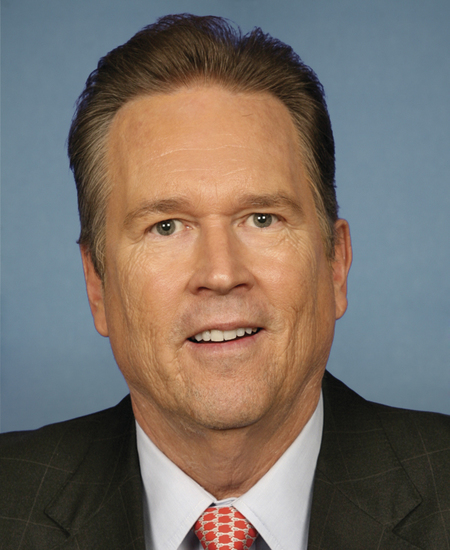
- Primary Sponsor: Vern Buchanan
- Cosponsor: Randy Fine
Conclusion
HJRES 3 represents a significant proposal aimed at amending the Constitution to enforce a balanced federal budget. If ratified by three-fourths of the state legislatures, it would fundamentally alter the way federal budgeting is conducted, requiring greater fiscal discipline and accountability from Congress. The implications of this amendment could lead to substantial changes in federal financial management and public policy.