Summary of HR 2074 — POWER Act (Introduced in the House)
Note: The available information does not include the bill’s text or its specific provisions. The summary below captures what is known from the provided bill data and outlines what is not yet determined. A complete understanding will require the official bill text and summary from Congress.
Overview
- Bill number and title: HR 2074, POWER Act
- Status: Introduced in the U.S. House of Representatives
- Introduced date: March 11, 2025
- Classification: House bill (legislation under consideration)
Legislative Actions (as of introduction)
- Introduced in the House on March 11, 2025.
- Referred to:
- Subcommittee on Water Resources and Environment
- Committee on Transportation and Infrastructure
- Committee on Natural Resources (for provisions within each committee’s jurisdiction)
- In the referrals to multiple committees, the note indicates that consideration of provisions falls within the jurisdiction of the respective committees, with the timing to be determined by the Speaker.
Sponsors
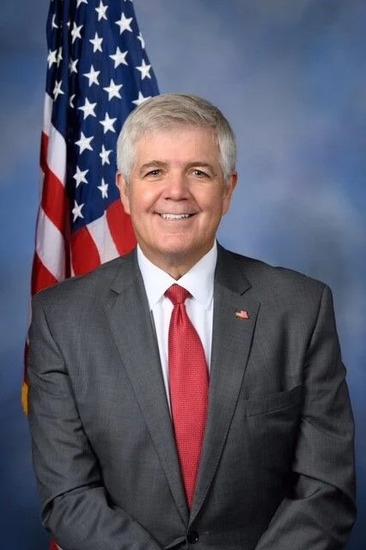
- Primary sponsor: Dan Newhouse
- Cosponsors:
- Russ Fulcher
- Cliff Bentz
- Michael Baumgartner
What is Known about the Bill’s Purpose and Provisions
- The exact objectives, policy changes, and mechanisms of the POWER Act are not provided in the available information.
- The title alone (“POWER Act”) does not specify the statutory domain (e.g., energy, water resources, power reliability, infrastructure), and no bill text is included to outline specific programs, funding, or regulatory changes.
Potential Scope and Impacts (general considerations)
Because the text is not provided, the following are general considerations you would typically assess once the bill text is available:
- Target area: Identify whether the bill addresses energy policy, water resources, infrastructure, or a cross-cutting “power” theme.
- Provisions: Look for authorization of funding, regulatory changes, program creation or modification, and any incentives or penalties.
- Beneficiaries: Determine which federal agencies, industries, communities, or states would be affected.
- Costs and funding: Note any authorizations, appropriations, or revenue impacts.
- Implementation timeline: Check for effective dates, phase-in periods, and required administrative actions.
- Oversight and accountability: Identify reporting requirements, evaluation milestones, and performance metrics.
Next Steps to Get a Complete Understanding
- Retrieve the full text and official summary from Congress.gov or the House Committee pages.
- Review the bill’s “Purpose” or “Summary” section (often published with the text) to confirm objectives.
- Analyze the specific sections to identify which agencies are affected, any new programs or authorities, funding levels, and compliance requirements.
- Monitor subsequent committee hearings, amendments, and floor actions to understand potential changes and the bill’s trajectory.
If you can provide the bill text or an official summary, I can produce a detailed, section-by-section analysis with precise provisions, affected parties, fiscal implications, and a timeline.