BILL • US SENATE
National Defense Authorization Act for Fiscal Year 2026
119th Congress
Introduced by
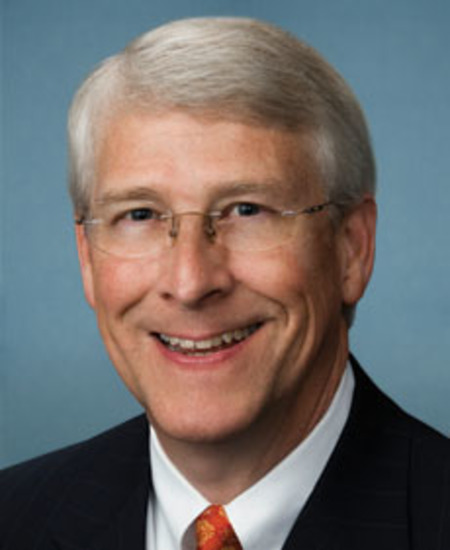
Roger Wicker,
Considered by Senate.
BILL • US SENATE
The National Defense Authorization Act (NDAA) for Fiscal Year 2026, S.2296, primarily sets the budget, policies, and priorities for the U.S. Department of Defense and the broader national security apparatus for the fiscal year 2026. It includes funding authorizations for military personnel, operations, procurement, research and development, and military construction. The bill typically also addresses wider defense policy issues such as military readiness, modernization efforts, cybersecurity, strategic competition with adversaries, and veteran affairs.
The NDAA is critical because it shapes the defense posture and capabilities of the United States for the coming year. It impacts military readiness, national security strategy, and the allocation of substantial taxpayer resources. This bill influences how effectively the U.S. can respond to emerging global threats, maintain technological superiority, support military personnel, and address future challenges in defense. Its provisions often set the tone for U.S. defense policy for years to come.
Hi! I'm your AI assistant for S 2296. I can help you understand its provisions, impacts, and answer any questions.

We're glad to see you!
New to WeVote? Claim your Voter Profile now!
Are you an elected rep? Claim account
Join thousands of verified voters to weigh in.
Already have an account? Log in
Are you an elected rep? Claim account
No worries! Enter your email and we'll send you reset instructions.
Remember your password? Back to Login
Your email address has not been confirmed yet. Please check your inbox or request a new confirmation link below.
Didn't receive the email?
Already confirmed? Back to Login
You need to take action to continue.
You're currently in
Joining this room will disconnect you from the current one.
The meeting has ended.