

Summary of HR 8495 (118th Congress? 119th Session)
Title: Making appropriations for financial services and general government for the fiscal year ending September 30, 2027, and for other purposes
Note: The following summary reflects the bill as introduced and reported in the House, focusing on the core purpose, key provisions, and potential impact. It is intended to be accessible to both policy experts and general readers.
1) Purpose and Intent
- HR 8495 is an appropriations bill that provides funding for the Department of the Treasury and the broader “financial services and general government” (FSGG) functional category for the fiscal year ending September 30, 2027.
- The bill captures annual funding levels to support operations of the executive agencies within the FSGG account, including agencies such as the Department of the Treasury, the Executive Office of the President, and related independent agencies and commissions as appropriated under this title.
- The aim is to enable ongoing federal government operations, regulatory activities, and services related to financial services, governance, and general government functions.
2) Key Provisions and Changes (Substantive Provisions)
- Appropriations Levels: Sets specific funding amounts (top-line totals) for the FSGG category for FY 2027, to be allocated among various sub-agencies and programs within that category. The bill would specify appropriations for each agency/office within the FSGG function, subject to committee modifications and conference negotiations.
- Agency Allocations: Provides detailed allocations to major components such as:
- Department of the Treasury (including bureaus and missions that support financial regulation, tax collection, debt management, etc.)
- Executive Office of the President (OMB, the White House, and other executive functions)
- Administrative and Independent Agencies under the FSGG umbrella (e.g., certain commissions and departments that receive annual appropriations within this function)
- Policy Provisions and Riders: May include annual policy riders or restrictions (e.g., prohibitions or requirements related to specific programs, reporting obligations, or prohibitions on funds for certain activities). The exact riders would be enumerated in the bill text and explanatory report (H. Rept. 119-623).
- Waste, Fraud, and Abuse Safeguards: Provisions to improve oversight, program integrity, and cross-cutting administrative reforms within the funded agencies, where applicable.
- Reporting and Compliance: Schedule of required reports to Congress, including performance measures, financial transparency, and audit-related requirements for the funded programs.
3) Who and What Would Be Affected
- Federal Agencies in the FSGG Category: The primary beneficiaries and implementers of the bill’s appropriations. This includes the Treasury and related offices, executive agencies, and any independent entities funded under the FSGG function.
- Federal Programs and Services: Programs that rely on annual appropriations in this category—such as regulatory enforcement, tax administration services, budget and management offices, and general government operations—would operate under the authorized funding levels.
- Congressional Committees and Oversight Bodies: As with all appropriations bills, the bill would affect oversight by reflecting approved funding levels and any accompanying policy directives.
4) Procedural and Timeline Aspects
- Recent Action: The bill was placed on the Union Calendar (Calendar No. 540) on April 24, 2026, signaling consideration for floor action in the House.
- Committee Action: Reported by the House Committee on Appropriations with H. Rept. 119-623, authored by Rep. Joyce (OH). This indicates committee approval and the presentation of bill text and justification to the full House.
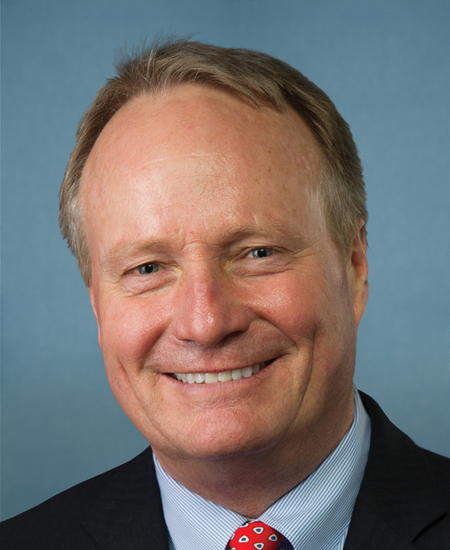
- Sponsor and Co-sponsor: Primary sponsor is Rep. Dave Joyce (OH); co-sponsor listed as Rep. Joyce, indicating legislative support across at least one other member.
- Next Steps: After House consideration, the bill would move to Senate consideration or to a conference for reconciliation if amendments alter the funding levels. Final enactment would require passage by both chambers and presidential action.
5) Potential Impacts and Considerations
- The funding decisions will influence operational capacity of the Treasury and related general government activities for FY 2027.
- Policy riders could affect discretionary programs within the FSGG category, either expanding or constraining certain activities.
- The bill’s effectiveness depends on subsequent negotiations, potential amendments, and final enacted levels compared with current-year funding and enacted prior-year baselines.
If you’d like, I can pull the specific funding table allocations for each agency under the FSGG category and summarize notable riders or reporting requirements included in H. Rept. 119-623.
Start the Conversation
Be the first to share your thoughts on this petition. Your voice matters!