Summary of HR 7757 — Kids Internet Safety Act (KIDS Act)
Date introduced: 2026 (Session 119)
Jurisdiction: United States House of Representatives
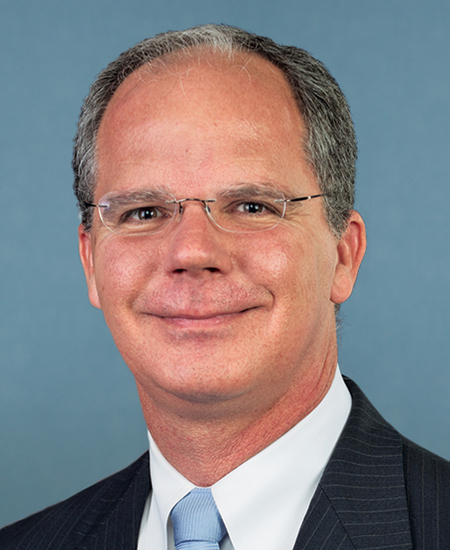
Sponsor: Primary sponsor with co-sponsor Bret Guthrie
Purpose: A broad, multi-title bill aimed at enhancing protections for minors online by imposing age-verification, usage safeguards, parental controls, and reporting requirements on online platforms, social gaming, and AI chatbots; while also creating research, education, and industry-practice initiatives to reduce online harms to minors.
Sections at a glance
- Title I: Shielding Minors from Obscenity (SCREEN Act)
- Title II: Addressing Harms to Minors on Online Platforms (Kids Online Safety, Safe Messaging for Kids, Stop Profiling Youth and Kids)
- Title III: Social Gaming Platforms (Safer GAMING Act)
- Title IV: Artificial Intelligence Chatbots (SAFE BOTs Act)
- Title V: Research, Education, and Best Practices for Protecting Minors Online (multiple parts)
- Title VI: General Provisions (enforcement, judicial review, severability, effective date)
Key Provisions and Provisions Details
1) Title I — Shielding Minors from Obscenity (SCREEN Act)
- Defines “covered platform” and requires age-verification measures to identify minors.
- Tech verification measures: Platforms must, within 1 year of enactment, deploy commercially available age-verification tech designed to prevent minors from accessing sexual material harmful to minors. Data from verification must be minimal and secure; third-party verifications allowed but platform remains liable.
- Data security: Establish and maintain safeguards for verification data; limit retention/disclosure.
- Anti-circumvention: Reasonable efforts to address circumvention.
- Third-party use of verifiers: allowed, but liability remains with the platform.
- GAO study due within 3 years on effectiveness, compliance, privacy, and societal effects; includes recommendations.
- Preemption: Federal focus with constraints on State laws; States may not override this title’s age-verification requirements, but non-preempted areas remain (e.g., trespass, contract, etc.).
2) Title II — Addressing Harms to Minors on Online Platforms
- Covered platform definition broader: platform publicly available, with user identifiers, user-generated content, engagement design features, and use of personal information for advertising or recommendations.
- Subtitle A: Kids Online Safety (KOS Act)
- Require policies to address harms to minors (physical threats, sexual exploitation, narcotics, tobacco, gambling, alcohol, deceptive financial practices).
- Safeguards for minors: default high-protection settings, parental tools, opt-out mechanisms, and geolocation controls.
- Parental tools: allow parents to manage privacy/account settings, restrict purchases, view time metrics, and get notices when tools are active.
- Reporting mechanism: easy-to-use reporting, dedicated electronic contact, and timely substantive responses (within 10 days unless imminent threat).
- Disclosure/labels: advertising disclosures and no promotion of illegal products to minors.
- Audits: independent third-party audits every 18 months with public and internal reporting; audit contents include user-minor exposure, time spent, safeguard usage, and harm-reported data.
- Relationship to State laws: Federal supremacy in this subtitle; States may not conflict with these requirements.
- Subtitle B: Safe Messaging for Kids (SMK)
- Prohibits ephemeral messaging features for minors.
- Prohibits direct messaging features for children under 13.
- Parental controls for teen direct messaging, with verifiable parental consent, and default protective settings.
- Encryption: rule of construction preserves encryption protections; no override to force weakening encryption.
- State-law relationship: preemption where necessary, with carve-outs for general consumer-protection laws.
Effective date: generally 180 days after enactment (some sections have own dates).
- Subtitle C: Stop Profiling Youth and Kids (SPY Kids)
- Prohibits market research on minors unless used to improve privacy/safety or to comply with law.
- Relationship to State law: limits on State-level market research on minors; otherwise, general consumer protection laws apply.
3) Title III — Social Gaming Platforms (Safer GAMING Act)
- Safeguards for online video game platforms with minor users.
- Default protections: safeguards enabled by default at the most protective level; limit recommendations of a minor’s profile to non-minors; restrict purchases and time spent.
- Device controls and notices to players/parents when safeguards are in effect.
4) Title IV — Artificial Intelligence Chatbots (SAFE BOTs Act)
- Prohibits certain misleading statements (e.g., claiming chatbot is a licensed professional unless true).
- Requires disclosure that the chatbot is AI; crisis resources disclosures if user mentions suicide.
- Policies to limit harmful content (e.g., sexual material, gambling, narcotics) and require breaks after prolonged uninterrupted interaction (3 hours).
- Relationship to State laws; encryption protections are preserved.
5) Title V — Research, Education, and Best Practices for Protecting Minors Online
- Subtitle A: Research
- Studies on fentanyl exposure, social media use by minors, chatbots and mental health, and safety-tool effectiveness.
- Subtitle B: Education
- Promotes online safety education campaigns; annual reporting by FTC on activities.
- Subtitle C: Partnerships and Best Practices
- Establishes Kids Internet Safety Partnership within 1 year; includes playbooks on age verification, design features, parental tools, privacy defaults, reporting, and limitations/opt-outs of personalized recommendations and chatbots.
- Partnership sunsets after 5 years.
6) Title VI — General Provisions
- Enforcement: FTC-enforced as unfair or deceptive acts and practices; parallel to existing FTC authority.
- State actions: States can intervene under certain conditions but with federal primacy in many aspects.
- Judicial review: Challenges heard in the D.C. Circuit.
- Effective date: Most provisions take effect 1 year after enactment; some subsections have earlier/later dates.
Potential Impact
- Platforms and services likely affected: social media platforms, online services with minor users, social gaming platforms, and providers of AI chatbots.
- Behavioral safeguards: stronger default privacy and safety settings for minors; mandatory parental controls; time/financial transactional controls; geolocation data handling restrictions.
- Age verification: significant new compliance burden via tech verification measures, with data privacy and security requirements.
- Transparency and accountability: regular third-party audits, public audit reports, and mandated disclosures for ads and marketing to minors.
- Research and education: federal efforts to study and disseminate best practices; public-private partnerships to promote safer online environments for minors.
- Preemption: The bill seeks federal preemption of conflicting state laws regarding age verification and certain safeguards.
Notes
- The bill is comprehensive and multi-faceted, combining prescriptive requirements (age verification, safeguards, parental tools) with ongoing oversight (GAO/FTC audits, annual reports) and research/education initiatives.
- Some provisions are subject to exceptions (encryption protections, existing state laws not conflict with federal requirements, etc.).
- Effective implementation depends on downstream rulemakings, agency guidance, and potential amendments during floor debates.