Summary — H.R. 1392: Improving Mental Healthcare in the Re‑Entry System Act of 2025
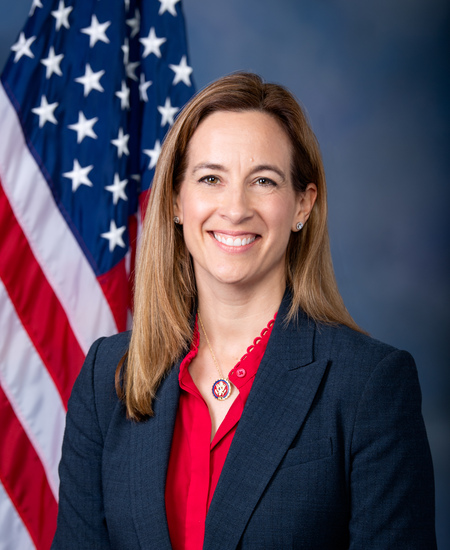
Status: Introduced in House (Mikie Sherrill, primary sponsor)
Introduced: May 26, 2025
Committee referral: House Committee on the Judiciary (Feb 14, 2025)
Subsequent House actions: Referred to Local & Consent Calendars (May 29–30, 2025); Laid before the House and placed on Congratulatory & Memorial Resolutions Calendar; Adopted and reported enrolled (June 1, 2025).
Note: The full legislative text for H.R. 1392 was not provided. The summary below explains the bill’s stated purpose and outlines typical provisions and likely impacts based on the bill title and common congressional practice for re‑entry/mental‑health legislation.
Purpose
The bill’s title — “Improving Mental Healthcare in the Re‑Entry System Act of 2025” — indicates the primary intent is to strengthen assessment, treatment, continuity of care, and supportive services for individuals with mental health needs as they transition from incarceration (jail or prison) back into the community.
Key provisions (likely / typical elements)
Because the bill text was not provided, the following describes provisions commonly found in re‑entry mental health legislation that H.R. 1392 is likely to include or authorize:
- Mandatory or enhanced mental health screening and diagnosis prior to release.
- Development of individualized re‑entry behavioral health plans linking released persons to community providers.
- Grants to states, local governments, and nonprofit/community behavioral health organizations to expand services (treatment, case management, peer support).
- Funding or reimbursement incentives to support continuity of care (medication‑assisted treatment, telehealth, housing‑linked services).
- Data sharing protocols and limited HIPAA/FERPA accommodations to allow coordination between correctional and community providers.
- Training requirements for correctional staff and re‑entry caseworkers on trauma‑informed care and crisis de‑escalation.
- Performance measures, reporting requirements, and program evaluation to track outcomes (recidivism, treatment adherence, housing stability).
Who would be affected
- Individuals leaving incarceration who have mental health or substance use disorders.
- State and local corrections agencies and re‑entry programs.
- Community behavioral health providers, treatment programs, and peer‑support organizations.
- State governments and counties that may apply for grants or implement program changes.
- Federal agencies (e.g., DOJ, SAMHSA, Bureau of Prisons) if the bill provides federal funding or guidance.
Potential impacts
- Improved continuity of mental health care at release, potentially reducing crisis events and recidivism.
- Increased demand for community behavioral health capacity and workforce.
- Fiscal impacts dependent on whether the bill authorizes new federal funding (not specified here).
Procedural / timeline notes
- Introduced Feb 14, 2025; various House calendar actions in May–June 2025; reported enrolled June 1, 2025.
- Absent the enrolled text, a final determination of funding levels, specific statutory changes, and effective dates cannot be provided.
If you’d like, I can: (1) search for the bill text or congressional summary, (2) produce a red‑line of how it would amend existing statutes (once text is available), or (3) prepare stakeholder impact analysis assuming specific funding or program models.