Summary of HRES 130: Expressing the sense of the House condemning PRC harassment and intimidation on U.S. soil
Overview
HRES 130 is a non-binding House Resolution that expresses the sense of the U.S. House of Representatives regarding the Government of the People’s Republic of China (PRC) and its alleged harassment and intimidation aimed at suppressing speech and narratives on United States soil. The resolution is introduced in the House and is currently referred to multiple committees for consideration (Foreign Affairs; Judiciary; Education and Workforce).
- Bill type: Non-binding resolution (expresses the sense of the House)
- Introduced: February 13, 2025
- Status: Referred to the Committee on Foreign Affairs, and in addition to the Committees on the Judiciary, and Education and Workforce, for a period to be determined by the Speaker
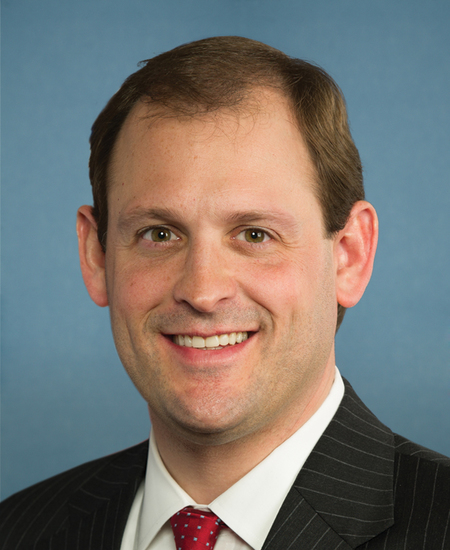
- Sponsors: Primary — Ami Bera; Cosponsor — Andy Barr
Purpose and intent
The bill articulates several policy and normative aims centered on defending free speech and academic freedom in the United States from what it describes as PRC harassment and intimidation. The core intent is to condemn these actions, urge protective and responsive measures, and encourage international collaboration to counter transnational repression.
Key provisions and changes (as introduced)
The resolution contains seven main statements and recommendations:
- Condemnation of PRC actions: Strongly condemns PRC efforts to suppress free speech, assembly, and academic freedom in the United States, including harassment and intimidation.
- Law enforcement vigilance: Calls on U.S. federal and local law enforcement to enhance vigilance and swiftly counter the PRC’s attempts to extend intolerance of dissent into the United States and to protect individuals exercising First Amendment rights.
- Academic freedom protection: Urges U.S. academic institutions and think tanks to protect academic freedom and resist foreign pressure aimed at stifling open research and debate.
- Defense of free expression rights: Reaffirms the United States commitment to individuals’ rights to express themselves freely, domestically and globally.
- Diplomatic engagement: Calls on the executive branch, including the Secretary of State, to raise incidents of PRC harassment and intimidation in diplomatic engagements with the PRC, highlighting specific cases.
- International collaboration: Advocates for international cooperation with like-minded allies to address transnational repression and to establish global norms against it.
- Role in international bodies: Encourages U.S. representatives to international organizations to voice support for resolutions condemning transnational suppression of free speech and to seek accountability.
Who/what would be affected
- Domestic actors: U.S. law enforcement agencies, academic institutions, think tanks, and free speech advocates are framed as recipients of heightened vigilance and protective actions.
- Executive branch: The State Department and other agencies are urged to engage diplomatically on the issue with the PRC.
- International arena: Encourages collaboration with allies and engagement in international organizations to promote norms against transnational repression.
Procedural/timeline aspects
- Path: Introduced and referred to committees for consideration of provisions falling within each committee’s jurisdiction.
- Timeline: No specific dates set for markup or passage; the reference to “period to be subsequently determined by the Speaker” indicates procedural scheduling is in flux.
Potential impact
- Policy signaling: Establishes a clear U.S. stance condemning PRC harassment and signaling support for free expression and academic freedom.
- Diplomatic posture: May influence diplomatic rhetoric and engagement with China, and could shape international collaborations and resolutions in multilateral forums.
- Non-binding nature: As a resolution, it does not create enforceable legal requirements or funding; its effects are largely symbolic and policy-oriented.
If you’d like, I can tailor this summary for a specific audience (e.g., policymakers, educators, researchers) or compare it with related prior resolutions.