

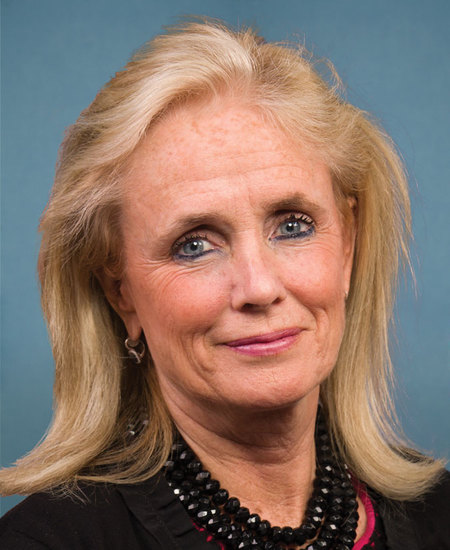
Bill

BILL • US HOUSE

HRES 942

Expressing support for the recognition of September 2025 as "National Childhood Cancer Awareness Month".

119th Congress
Introduced by Debbie Dingell, Mike Lawler,

Designates September 2025 as National Childhood Cancer Awareness Month to boost public awareness, honor affected children, and urge ongoing survivor care (non-binding).

Submitted in House
0
0
Bill Summary • HRES 942

Summary of H.Res. 942 (119th Congress, 1st Session)

Overview

  • Bill type: House Resolution (non-binding, commemorative)
  • Bill number: H.Res. 942
  • Title: Expressing support for the recognition of September 2025 as “National Childhood Cancer Awareness Month”
  • Introduced: December 10, 2025
  • Introduced by: Mr. Lawler (for himself and Mrs. Dingell)
  • Refer to: Committee on Energy and Commerce
  • Status: Submitted in the House and referred to the Committee on Energy and Commerce

Purpose and Intent

The resolution aims to formally recognize September 2025 as National Childhood Cancer Awareness Month and to foster nationwide attention and action on pediatric cancer issues. It expresses support for observance by the Federal Government, states, localities, and nonprofit organizations, with a focus on public awareness and continued care for survivors.

Key Provisions

As a non-binding resolution, H.Res. 942 outlines a set of expressed goals and recommended actions rather than implementing new law. The main elements are:

  1. Designation and Recognition

    • Expresses support for designating September 2025 as National Childhood Cancer Awareness Month.
  2. Observance and Public Education

    • Requests that the federal government, states, localities, and nonprofit organizations observe the month with appropriate programs and activities.
    • Aims to increase public knowledge about the risks and realities of childhood cancer.
  3. Ongoing Care for Survivors

    • Encourages survivors of childhood cancer to continue ongoing monitoring and care throughout their adult lives.
  4. Public Health Priority

    • Recognizes the human toll of childhood cancer and pledges to prioritize prevention and cure as a public health objective.
  5. Awareness and Valor

    • Reminds the public of the bravery of children diagnosed with cancer.
    • Commends and honors the courage of such children.

Contextual Data on Childhood Cancer (for reference within the bill)

  • More than 14,500 children under age 19 are diagnosed with cancer each year in the United States.
  • Approximately 1,600 children die from cancer annually.
  • Childhood cancer is a leading cause of disease-related death among children.
  • The 5-year survival rate for U.S. children with cancer has risen from 58% (mid-1970s) to approximately 85% (2025).
  • A substantial share of survivors (60%–>90%) experience at least one chronic health condition, with potential late effects from treatment.
  • Cancer affects children across all races, socioeconomic groups, and geographic regions.

Who Is Affected

  • Primary audience: Children and families affected by cancer, childhood cancer survivors, and the broader public health community.
  • Beneficiaries of the resolution’s goals: Survivors seeking ongoing care, healthcare providers, researchers, advocacy organizations, and policymakers aiming to raise awareness and prioritize pediatric cancer initiatives.

Procedural and Timeline Aspects

  • Preamble and rationale: The resolution provides context on incidence, mortality, and survivorship, highlighting the ongoing public health importance.
  • Action timeline: As a commemorative resolution, it calls for observance during September 2025 (National Childhood Cancer Awareness Month) and continued advocacy beyond the month.
  • Next steps in the legislative process: Referral to the Committee on Energy and Commerce; as a resolution, it does not create new statutory or fiscal requirements unless subsequently acted upon in a different form.

Potential Impact

  • Raises public awareness about pediatric cancer risks, survivorship, and the need for ongoing monitoring.
  • Encourages public and private entities to implement awareness programs and activities during September 2025.
  • Signals federal and congressional support for pediatric cancer prevention, research, and survivorship care as a policy priority, albeit in a non-binding, symbolic form.

If you’d like, I can add a brief comparison to similar past resolutions or provide a one-page briefing for members of the public.

Hi! I'm your AI assistant for HRES 942. I can help you understand its provisions, impacts, and answer any questions.

Key Provisions Impacts Timeline
Sign in to chat