

End For-Profit Prisons Act of 2025
HR 3612 aims to end for-profit prisons, shifting to public facilities to enhance rehabilitation, improve inmate conditions, and redirect funds for better services.
The End For-Profit Prisons Act of 2025 aims to eliminate the use of for-profit prisons in the United States. The bill seeks to address concerns regarding the ethical implications and operational practices of private prison facilities, which critics argue prioritize profit over rehabilitation and public safety.
While the full text of the bill is not provided, the following key provisions are anticipated based on the bill's title and legislative intent:
Prohibition of For-Profit Prisons: The bill would prohibit the federal government and states from contracting with private entities to operate prisons or detention facilities.
Transition Period: The legislation may include a timeline for phasing out existing contracts with for-profit prison companies, ensuring a smooth transition to publicly operated facilities.
Reinvestment in Public Facilities: Funds previously allocated to for-profit prisons could be redirected towards improving public correctional facilities and rehabilitation programs.
Oversight and Accountability: The bill may establish stricter oversight mechanisms for public prisons to ensure they meet standards of care and rehabilitation.
The following groups would be directly impacted by the passage of HR 3612:
Private Prison Companies: Entities currently operating for-profit prisons would be significantly affected, potentially leading to the closure of facilities and loss of jobs.
State and Federal Governments: Governments would need to adjust their correctional strategies and budgets to accommodate the transition from private to public prison systems.
Incarcerated Individuals: The bill aims to improve conditions for those incarcerated by ensuring they are housed in facilities that prioritize rehabilitation over profit.
Advocacy Groups: Organizations advocating for criminal justice reform and the rights of incarcerated individuals may see a positive impact from the bill's provisions.
The bill is currently in the early stages of the legislative process, having been introduced and referred to the House Committee on the Judiciary for further consideration.
The bill is sponsored by:
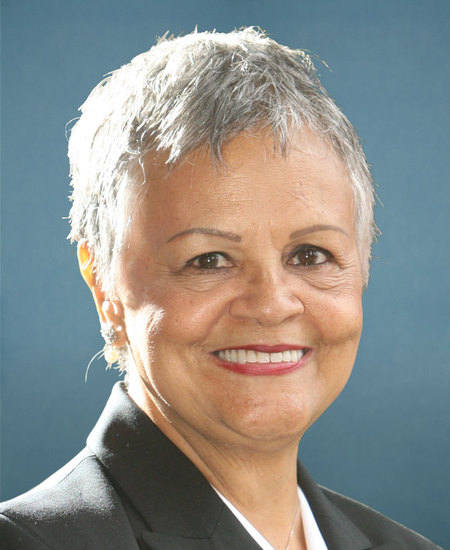
- Bonnie Watson Coleman (Primary Sponsor)
- LaMonica McIver (Cosponsor)
- Delia C. Ramirez (Cosponsor)
- Henry C. "Hank" Johnson (Cosponsor)
- James P. McGovern (Cosponsor)
- Summer L. Lee (Cosponsor)
- Jesús G. "Chuy" García (Cosponsor)
HR 3612 represents a significant shift in the approach to incarceration in the United States, aiming to dismantle the for-profit prison system in favor of a more humane and rehabilitative model. As the bill progresses through the legislative process, it will be essential to monitor its developments and potential implications for the criminal justice system.
Compiled from official sources — confirm details with the bill’s official record.
Sign in to ask a question.