

Bill

BILL • US HOUSE

HR 498

Do No Harm in Medicaid Act

119th Congress
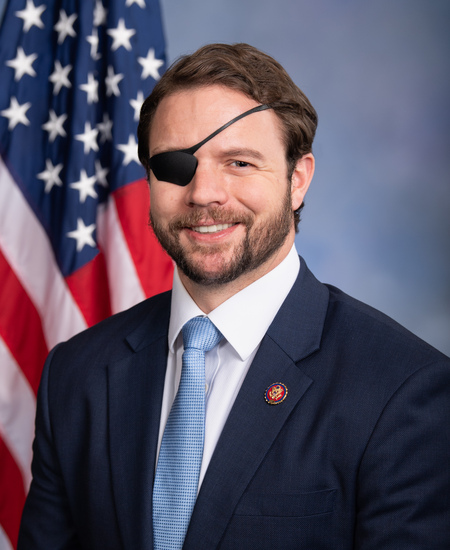
Introduced by Dan Crenshaw, Warren Davidson, Marjorie Taylor Greene and 1 other co-sponsors

The Do No Harm in Medicaid Act ensures equitable healthcare access for Medicaid beneficiaries, prohibiting discrimination and enhancing care quality for vulnerable populations.

Rules Committee Resolution H. Res. 953 Reported to House. Rule provides for consideration of H.R. 6703, H.R. 498 and H.R. 3492. The resolution provides for consideration of H.R. 6703 and H.R. 498 under a closed rule and H.R. 3492 under a structured rule with one hour of general debate and one motion to recommit on each bill.
0
0
Bill Summary • HR 498

Summary of HR 498: Do No Harm in Medicaid Act

Bill Number: HR 498

Title: Do No Harm in Medicaid Act

Status: Introduced in House

Introduced On: January 16, 2025

Classification: Bill

Purpose and Intent

The Do No Harm in Medicaid Act aims to ensure that Medicaid beneficiaries receive equitable and non-discriminatory access to healthcare services. The bill seeks to address concerns regarding the potential for harm to vulnerable populations within the Medicaid program, particularly in relation to the provision of care and the administration of benefits.

Key Provisions

While the full text of the bill is not provided, the following key provisions are anticipated based on the title and intent:

  • Protection Against Discrimination: The bill is expected to include measures that prohibit discrimination in the delivery of Medicaid services based on race, ethnicity, gender, sexual orientation, or disability.

  • Quality of Care Standards: It may establish or reinforce standards for quality of care that Medicaid providers must adhere to, ensuring that all beneficiaries receive appropriate and effective medical treatment.

  • Oversight and Accountability: The legislation could introduce mechanisms for increased oversight of Medicaid providers to ensure compliance with non-discrimination policies and quality standards.

  • Support for Vulnerable Populations: The bill may include specific provisions aimed at protecting the health and well-being of particularly vulnerable groups, such as children, the elderly, and individuals with disabilities.

Who Would Be Affected

  • Medicaid Beneficiaries: The primary beneficiaries of this legislation would be individuals enrolled in Medicaid, particularly those from marginalized communities who may face barriers to accessing care.

  • Healthcare Providers: Hospitals, clinics, and other healthcare providers participating in the Medicaid program would be impacted by the new standards and requirements set forth in the bill.

  • State Medicaid Programs: State governments administering Medicaid would need to adjust their policies and practices to comply with the new regulations established by the bill.

Procedural Aspects

  • Committee Review: Upon introduction, HR 498 was referred to the House Committee on Energy and Commerce for further consideration. This committee will review the bill, hold hearings, and may propose amendments before it is brought to the floor for a vote.

  • Timeline: As of now, the bill is in the early stages of the legislative process, having been introduced on January 16, 2025. The timeline for further actions, including potential votes or amendments, will depend on the committee's schedule and priorities.

Conclusion

The Do No Harm in Medicaid Act represents a significant step towards ensuring equitable healthcare access for Medicaid beneficiaries. By focusing on non-discrimination and quality of care, the bill aims to protect vulnerable populations and improve the overall effectiveness of the Medicaid program. As it progresses through the legislative process, stakeholders will be closely monitoring its developments and potential impacts on healthcare delivery.

Hi! I'm your AI assistant for HR 498. I can help you understand its provisions, impacts, and answer any questions.

Key Provisions Impacts Timeline
Sign in to chat