Overview
- Bill: HR 8861, the Department of Justice Integrity Act of 2026
- Purpose: Amend title 18, United States Code to impose post-employment restrictions on attorneys who formerly served in the federal government, specifically in relation to federal prosecutions of business entities.
- Introduced: May 15, 2026
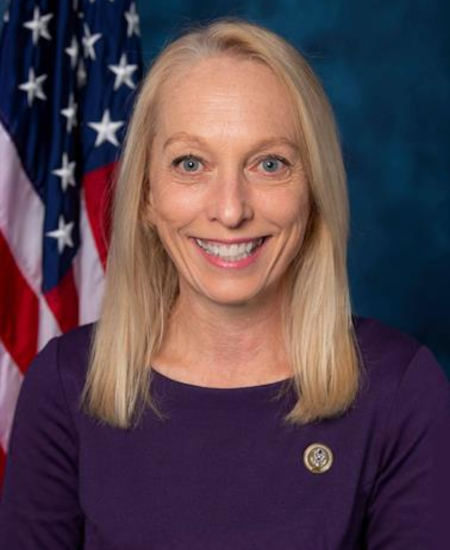
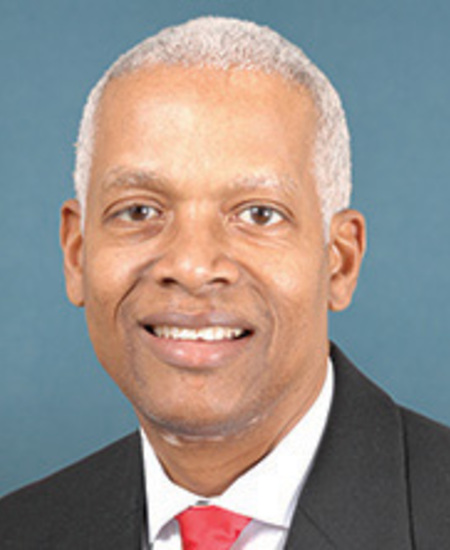
- Primary sponsors: Representatives Mary Gay Scanlon, Rashida Tlaib, Hank Johnson, Dwight Evans; additional co-sponsors include Summer Lee and Chris Deluzio.
Key provisions
- New post-employment rule added to 18 U.S.C. § 207 (section 207(m)):
- Restriction period: A former United States attorney who, while in federal service, personally and substantially participated in a federal prosecution of a business entity (or engaged in any agreement with a business entity under 18 U.S.C. § 3161(h)(2)) is prohibited from representing, aiding, or assisting that same business entity in any federal prosecution of the entity for one year after leaving federal service.
- Scope of prohibition: Applies specifically to representations or assistance related to the same business entity in federal prosecutions or related agreements under § 3161(h)(2).
- Definition of “business entity”: Includes corporations, associations, partnerships, limited liability companies/partnerships, or any other legal commercial entity.
- Enforcement reference: Violations would be punished as provided in 18 U.S.C. § 216 (which governs the penalties for certain offenses involving government employees and conflicts of interest).
Who would be affected
- Former federal prosecutors (attorneys) who:
- Personally and substantially participated in a federal prosecution of a business entity (or had an agreement with a business entity under § 3161(h)(2))
- Leave federal service
- Seek to represent or assist the same business entity in a federal prosecution within one year of termination
- The restriction is limited in time (one-year post-employment) and in scope (only applies to representations/assistance in federal prosecutions of that specific business entity or related agreements).
Procedural and timeline considerations
- Effect on career transitions: May influence post-government employment decisions for attorneys who handled prosecutions involving business entities.
- Penalties: Violations trigger penalties as outlined in 18 U.S.C. § 216, though the bill text does not specify new penalties beyond that existing framework.
- Jurisdiction and process: Applies to the United States federal judiciary and enforcement provisions; the bill was referred to the House Committee on the Judiciary for consideration.
Potential impact and considerations
- Purpose-driven: Aims to strengthen integrity and curb potential conflicts of interest by limiting immediate post-employment representation of entities previously prosecuted or engaged in government contracts/agreements.
- Scope clarity: The restriction targets “business entities” broadly defined to include most typical commercial entities.
- Limitations and criticisms (potential considerations for analysis):
- The one-year window is relatively short; some advocates might seek longer prohibitions or broader scopes.
- The restriction applies only to former attorneys who personally and substantially participated in the prior prosecution or related agreements (not to all former DOJ employees).
- Enforcement mechanisms rely on existing penalties under § 216; no new civil or administrative remedies are specified in the bill text provided.
Summary
HR 8861 establishes a one-year post-employment prohibition on former federal prosecutors from representing or aiding the same business entity they personally and substantially prosecuted or engaged with under § 3161(h)(2). The bill defines “business entity” broadly and ties enforcement to existing penalties in the U.S. Code. The measure seeks to mitigate conflicts of interest in the transition between public service and private legal practice.






Start the Conversation
Be the first to share your thoughts on this petition. Your voice matters!